Y-181 Powder Ca-Zn Stabilizer for Rigid PVC Film and Sheet
WANSYN Y-181 is a lead-free powder calcium-zinc (Ca-Zn) heat stabilizer developed for rigid PVC calendering and selected extrusion processes. It gives PVC processors a practical grade to evaluate when they need low-odor processing, stable fusion and torque, low plate-out, clean rolls or die surfaces, consistent initial color and long-term color hold.
Y-181 can also be evaluated in suitable reformulation projects that are moving away from methyl-tin or other traditional stabilizer systems. It is not presented as a universal one-for-one replacement: the final result depends on PVC resin K-value, filler and pigment levels, impact modifier, processing aid, internal and external lubrication, recycled content, line speed and temperature profile.
Y-181 is supplied through WANSYN's PVC stabilizer portfolio and supported by a modern production base with an annual stabilizer capacity of 50,000 metric tons.
Key Processing and Product Benefits
- Lead-free Ca-Zn stabilization: designed for processors evaluating a calcium-zinc alternative to lead- or organotin-based systems.
- Low-odor target: suitable for projects where organoleptic performance or workplace odor is an important selection factor.
- Low plate-out and clean processing: intended to support cleaner rolls, die lips and production surfaces when the stabilizer and lubricant package are correctly balanced.
- Heat and color stability: developed to support initial color, dynamic heat stability, light-stability targets and color hold during the required processing window.
- Stable fusion and torque: formulation matching focuses on fusion time, torque curve, motor load and output consistency.
- Surface quality: helps processors evaluate gloss, smoothness, transparency or pigmentation, flow marks, specks and other visible defects.
- Technical formulation support: the grade review considers the complete recipe and production conditions instead of the stabilizer in isolation.
Successful grade matching may reduce plate-out, cleaning frequency, line interruptions and avoidable formulation changes. These benefits should be confirmed through a controlled trial on the intended production line.
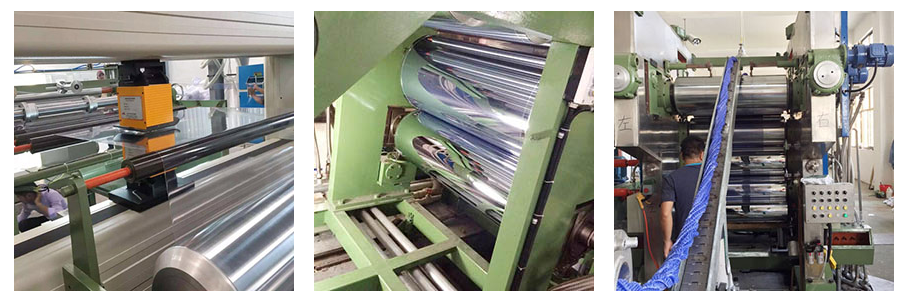
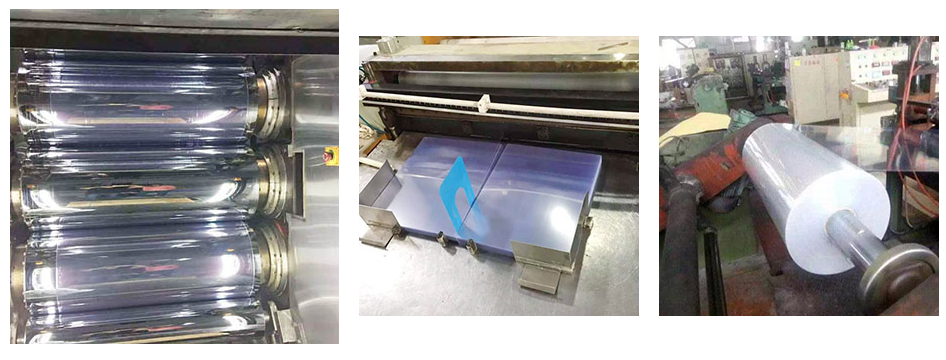
Applications and Selection Fit
| Application | Primary evaluation focus |
|---|---|
| Rigid PVC calendered film and sheet | Fusion, heat stability, odor, roll cleanliness, surface, color and transparency targets |
| Rigid PVC profile extrusion | Torque, die build-up, surface quality, color hold and long-run processing stability |
| Selected pipe and fitting extrusion | Fusion, output stability, die cleanliness and finished mechanical requirements |
| Selected rigid PVC blown-film processes | Processing window, odor, film surface, color and production stability |
| Methyl-tin replacement or reformulation trials | Controlled comparison, lubricant adjustment, temperature profile and end-use verification |
Food-contact, low-odor or market-specific applications must be identified before grade confirmation. The relevant end use, destination country and document requirements should be included in the RFQ.
Typical Product Information
| Product | Y-181 powder calcium-zinc PVC stabilizer |
|---|---|
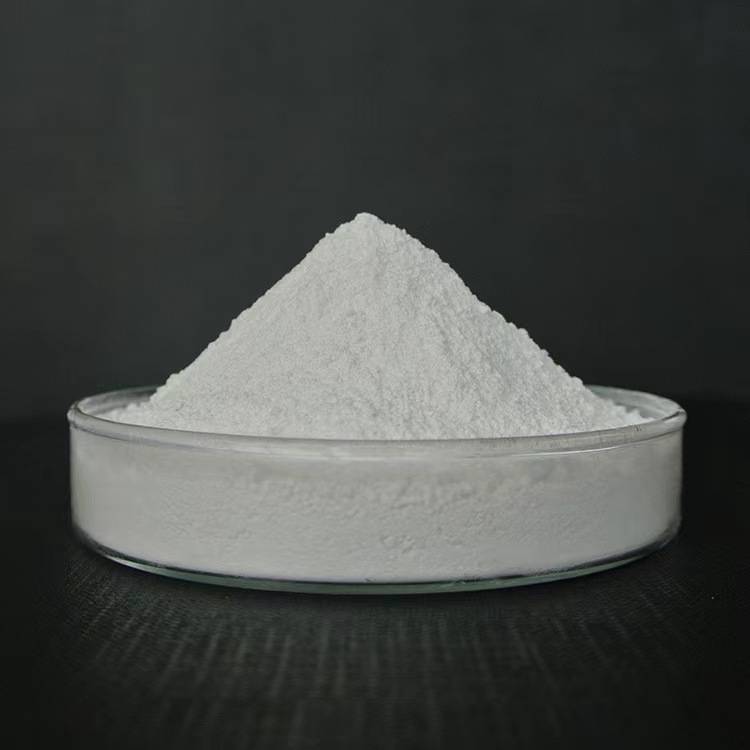
| Appearance | White powder |
| Moisture | ≤1.0% |
| Typical starting reference | 0.8–1.5 phr for evaluation; final dosage is formulation- and line-dependent |
| Packing | 25 kg/bag |
| Storage period | 12 months under recommended storage conditions |
The table is a purchasing and trial reference. Confirm the latest TDS, specification, packing and storage statement with the quotation.
Starting Dosage and Lubrication Balance
For suitable rigid PVC applications, 0.8–1.5 phr can be used as a typical starting reference for a Y-181 line trial. It is not a universal fixed dosage. The correct level depends on resin K-value, filler loading, titanium dioxide or other pigments, impact modifier, processing aid, recycled material, target color or transparency and the existing internal/external lubricant package.
When moving from methyl tin or another stabilizer chemistry, do not change several formulation variables at the same time. Begin with an agreed comparison plan, record fusion and torque behavior, and then fine-tune internal and external lubrication to obtain a stable torque curve, clean roll or die surfaces and the required finish.
What to Measure During a Y-181 Trial
| Evaluation area | Recommended records |
|---|---|
| Fusion and torque | Fusion time, peak and equilibrium torque, motor load and stability during the run |
| Heat and color | Initial color, dynamic heat stability, color change and required light-stability indicators |
| Line cleanliness | Plate-out, roll deposits, die build-up, cleaning frequency and changeover condition |
| Surface and appearance | Gloss, smoothness, transparency or pigmentation, flow marks, specks and visible defects |
| Output stability | Line speed, thickness stability, pressure or load changes and reject rate |
| Finished product | Mechanical properties and any application- or market-specific test requirements |
If a trial shows early yellowing, slow or fast fusion, high torque, plate-out, poor gloss or surface defects, review the result together with the resin, filler and lubrication package before changing the stabilizer alone.
Y-181 as a Methyl-Tin Alternative
Y-181 is intended for customers evaluating a Ca-Zn route as an alternative to methyl-tin stabilization in suitable rigid PVC film, sheet and extrusion applications. The existing calendering or extrusion equipment can normally be used for evaluation, but the formulation and processing window still require line validation.
A reliable comparison should include the current stabilizer chemistry and dosage, present lubricant system, line settings, target output, color or transparency requirements, plate-out behavior and required compliance documents. Commercial adoption should follow successful production testing rather than a laboratory result alone.
Compliance, Documents and Technical Support
- TDS and SDS for the confirmed grade
- Available RoHS or REACH statements and relevant laboratory or SGS reports, subject to the current grade and destination market
- ISO 9001 certificate and other company-level quality documents available for review
- Food-contact or other end-use documentation assessed only against the specified application and market
- Formulation review, trial planning and lubricant-balance guidance based on the information shared by the customer
Y-181 uses calcium-zinc stabilization rather than lead- or organotin-based stabilization. If the project requires specific heavy-metal limits, migration testing, food-contact status or another regulatory statement, include the exact standard and destination market in the inquiry so the applicable document set can be checked before order.
Information Required for Grade Matching
- PVC resin grade and K-value
- Full formulation or the main component ranges
- Filler, pigment, impact modifier and processing-aid levels
- Internal and external lubricant package
- Calendering, extrusion or blown-film equipment and temperature profile
- Current stabilizer chemistry, dosage and main processing problem
- Target appearance, transparency, color and finished-product performance
- Destination market and required compliance or test documents
- Trial quantity and estimated commercial volume
Confidential formulation information can be reviewed under an agreed information-sharing process.
Frequently Asked Questions
Is Y-181 a lead-free PVC stabilizer?
Y-181 is a calcium-zinc stabilizer system developed without lead- or organotin-based stabilization. Any required RoHS, REACH, heavy-metal or market-specific statement should be confirmed against the current grade documents.
Can Y-181 directly replace methyl tin?
Y-181 can be evaluated as a methyl-tin alternative in suitable rigid PVC applications, but it should not be treated as a universal one-for-one drop-in. Dosage, lubrication and processing conditions must be validated on the customer's line.
What is the recommended dosage?
A typical starting reference is 0.8–1.5 phr for suitable rigid PVC trials. Final dosage depends on the complete formulation, equipment, operating window and required product performance.
Can Y-181 help reduce plate-out?
Y-181 is designed for low plate-out and clean processing when the stabilizer, resin, filler and lubricant package are correctly matched. Plate-out should be measured during a controlled line trial.
Is Y-181 suitable for transparent rigid PVC film?
It can be evaluated for transparent or lightly pigmented rigid PVC film and sheet projects. The required transparency, color, odor, application and regulatory target must be included in the grade review.
Which documents are available?
TDS, SDS and available compliance or laboratory documents are confirmed by grade, end use and destination market. State the required standards in the RFQ.
How quickly can WANSYN review a formulation?
After complete formulation and line information is received, WANSYN aims to provide initial grade-matching feedback within 48 hours. Sample availability, quantity and dispatch time are confirmed separately for each project.
Request a Y-181 Formulation Review and Sample
Send your application, formulation summary, current stabilizer and dosage, equipment conditions, main problem, target specification, required documents and estimated volume to info@wxchemgroup.com or through the WANSYN contact page. We will review the information required for grade matching, trial planning, sample arrangement and quotation.