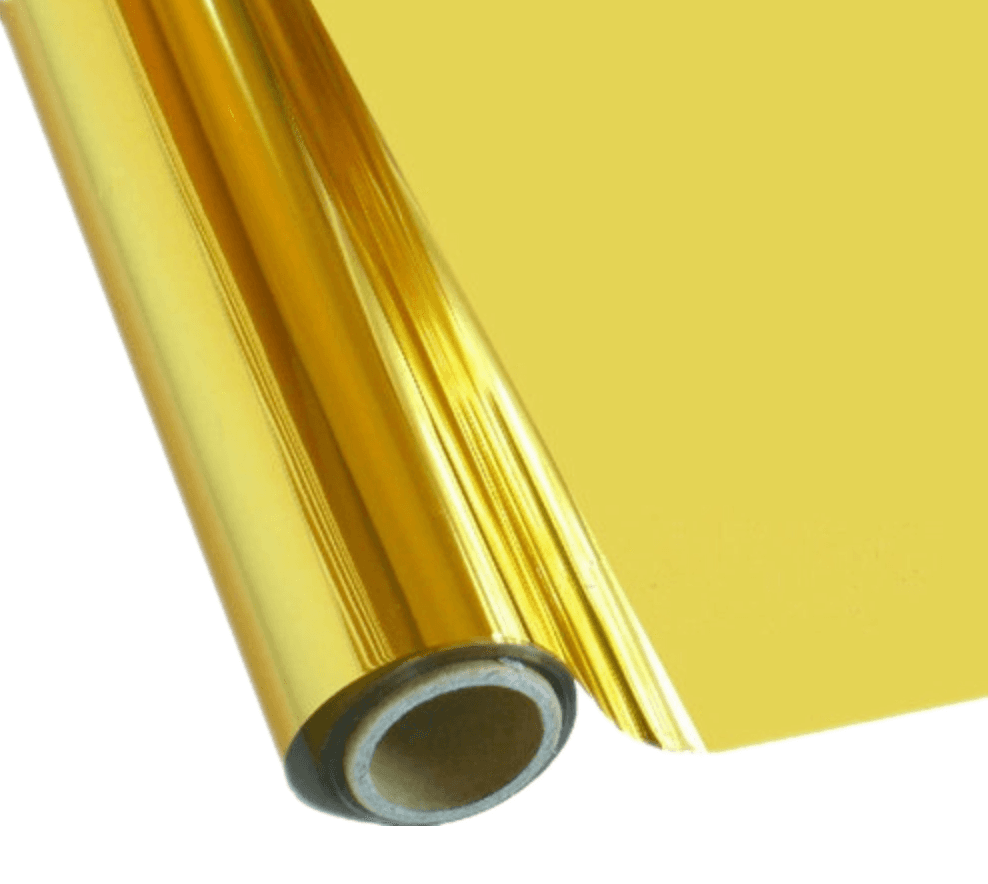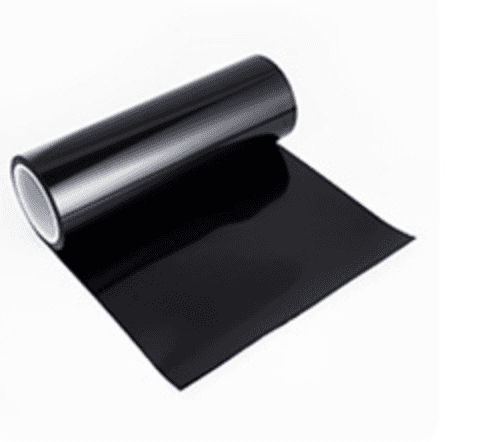

Gold Metallized PET Sheet Rolls for Thermoforming and Premium Packaging
WANSYN supplies gold metallized PET-based sheets and rolls for packaging requiring a metallic decorative appearance together with thermoforming or converting performance. Applications include confectionery and sushi trays, premium gift-box inserts, cosmetic packaging and display components. WANSYN's functional sheet production base has annual capacity of 6,000 metric tons.
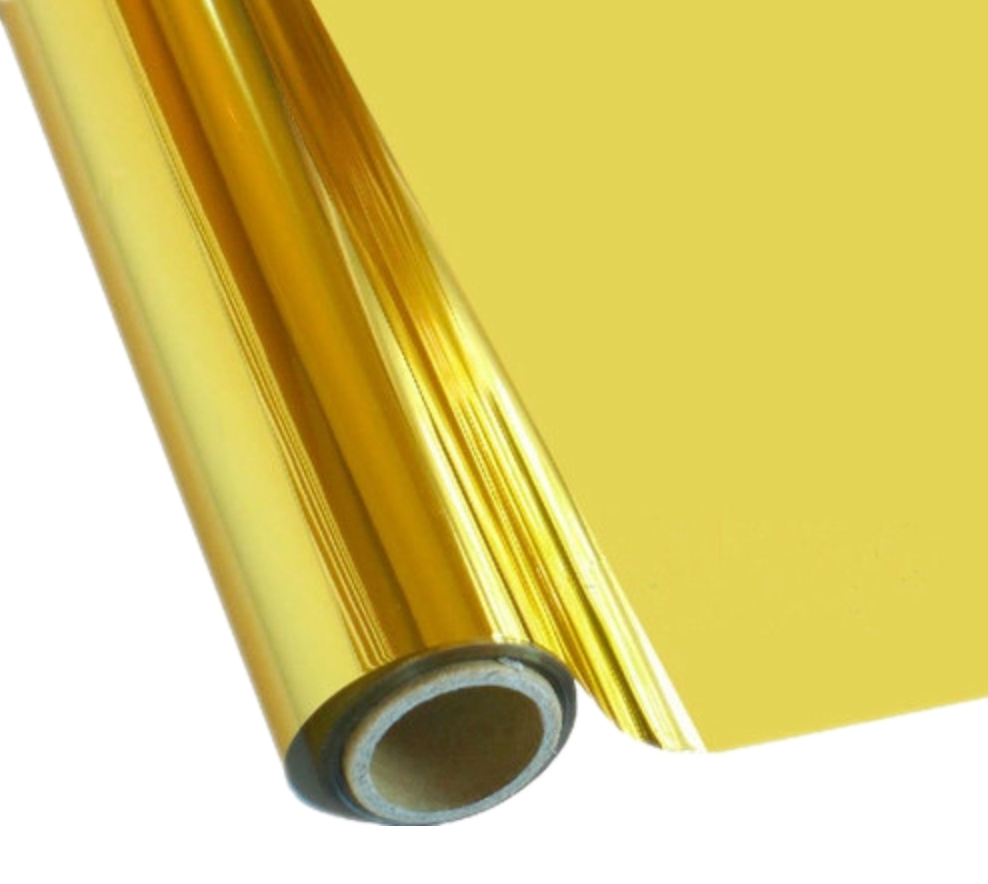
Metallic Finish Options
| Finish | Visual objective | Confirm before order |
|---|---|---|
| Mirror/high-gloss gold | Strong reflection and shelf impact | Friction, scratch sensitivity, orientation and protection |
| Matte/satin gold | Lower glare and soft premium appearance | Gloss, color reference and print compatibility |
| Brushed/textured gold | Directional decorative depth | Pattern direction and forming distortion |
| Abrasion-control option | Reduced scuffing or blocking | Stacking pressure, transport and packing |
Gold, champagne-gold, coffee-gold, silver or another target should be matched to an approved sample. Appearance can change after forming because the metallic layer stretches over the mold.
Confirm the Material Construction
“Gold PET sheet,” “metallized PET sheet” and “gold laminated PET sheet” are often used interchangeably, but they are not necessarily the same. A project may use a directly metallized PET surface or a decorative film laminated to PET-based sheet. Each can behave differently during heating, stretching, printing, sealing, cutting and recycling.
Do not infer oxygen or water-vapor barrier from gold appearance alone. Request OTR, WVTR or migration data for the exact structure and test conditions when these properties matter.
Applications and Current Size Options
- Thermoformed confectionery, chocolate, sushi and premium food trays
- Premium gift-box, cosmetic and fragrance inserts
- Retail display packaging and rigid decorative components
- Die-cut, creased, folded or laminated packaging parts
| Supply form | Rolls or cut sheets |
|---|---|
| Thickness | 0.15–2.00 mm as currently listed; confirm by finish and project |
| Width | 170–1,350 mm as currently listed; confirm production feasibility |
| Core ID | 3 inch or 6 inch where available |
| Finish | Mirror, matte, brushed, textured or approved custom appearance |
| Printing/treatment | Corona-treated or print-ready options where available |
For direct food contact, state food type, temperature, duration and destination market. Food-contact status must be confirmed for the selected structure.
Thickness Starting References
Existing page references are approximately 0.20–0.60 mm for selected shallow-to-medium trays, 0.30–1.00 mm for premium inserts and 0.50–2.00 mm for rigid inserts or displays. These are starting references, not design limits. Final thickness depends on geometry, draw ratio, stiffness, stacking and converting.
Thermoforming and Converting Variables
| Variable | Why it matters | Information required |
|---|---|---|
| Heating | Controls sheet temperature and surface response | Oven, zones, cycle and temperature |
| Depth/draw ratio | Affects thinning, color density and continuity | Drawing, depth and critical corners |
| Mold/process | Influences detail and stress | Vacuum, pressure, mold and venting |
| Orientation | Controls contact with heater, mold and stacking | Metallic side and winding direction |
| Printing/sealing/lamination | Requires compatible treatment and materials | Process sequence, ink, adhesive or sealant |
| Logistics | Can cause scuffing, blocking or pressure marks | Nesting, stack height and protection |
What to Check During a Trial
- Heating uniformity and forming window
- Draw depth, corner thinning and dimensional accuracy
- Gold tone, gloss and surface continuity after forming
- Cracking, whitening, delamination or defects
- Scuffing, blocking, nesting and denesting
- Print, adhesive, seal, cutting, creasing and trimming performance
Documents and RFQ Information
TDS, available laboratory data, SGS or third-party reports, quality-system documents and compliance statements are confirmed by grade, structure, use and market. An ISO management-system certificate does not itself establish food-contact compliance.
- Finish and approved color reference
- Direct-metallized or laminated construction preference
- Thickness, tolerance, width, roll length or weight
- Core ID, maximum OD and winding direction
- Part drawing, forming method, depth and draw ratio
- Printing, coating, sealing, lamination or die-cutting
- End use, contact conditions, documents, trial quantity and annual volume
Frequently Asked Questions
Is this PET gold foil?
Many buyers use that term. Confirm whether the project needs direct metallizing or decorative film laminated to PET.
Can it be thermoformed?
Suitable constructions can be evaluated; success depends on heating, thickness, depth, mold, orientation and stretching.
Will color remain identical after deep drawing?
Not necessarily. Thinning and stretching can change color density, gloss or texture.
Can it be printed?
Print-ready or treated options may be available; specify ink, treatment, dyne, curing and adhesion method.
How can scuffing be reduced?
Combine an appropriate surface option with protection, stacking-pressure control and export packing.
Is it suitable for food trays?
The application does not establish compliance. Confirm exact structure, contact conditions and market requirements.
What are MOQ and lead time?
They depend on thickness, width, finish, structure and treatment and are confirmed with quotation.
Request a Recommendation and Quote
Send finish, thickness, width, roll format, forming depth, drawing, orientation, print or seal requirements and volume to info@wxchemgroup.com or the WANSYN contact page.