
When embarking on a new project, whether for industrial, commercial, or creative purposes, the choice of material is paramount. With a vast array of plastics available, from a versatile PP sheet roll to rigid acrylic panels, understanding their unique characteristics is key to achieving the desired outcome. This decision impacts not only the final product's appearance and functionality but also its durability and cost. Let's delve into a comparison between two popular choices, Polypropylene (PP) and Acrylic, to help you determine which is the right fit for your specific needs.
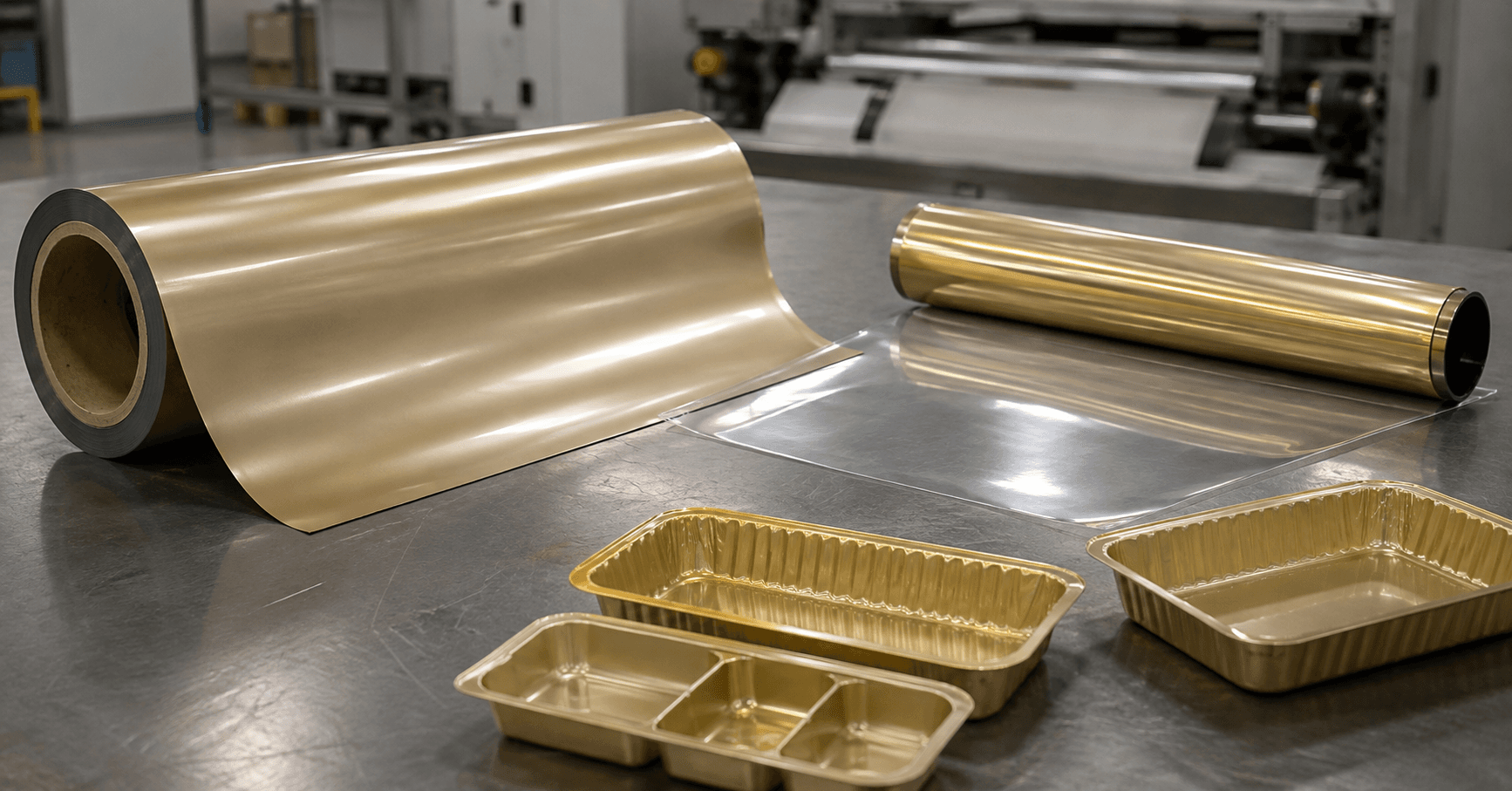
Polypropylene is a thermoplastic polymer known for its incredible versatility. Often supplied as a polypropylene sheet roll, it is celebrated for its toughness, flexibility, and exceptional chemical resistance. Unlike many other plastics, PP can withstand a wide range of chemical solvents, acids, and bases, making it a staple in laboratory equipment and chemical storage containers. Another defining feature is its resistance to fatigue; it can be flexed repeatedly without breaking, which is why it's the material of choice for living hinges, such as those on flip-top bottle caps. A PP plastic roll is also lightweight, has good impact strength, and is generally one of the more affordable plastics, finding wide application in everything from automotive components and reusable containers to stationery and industrial packaging.
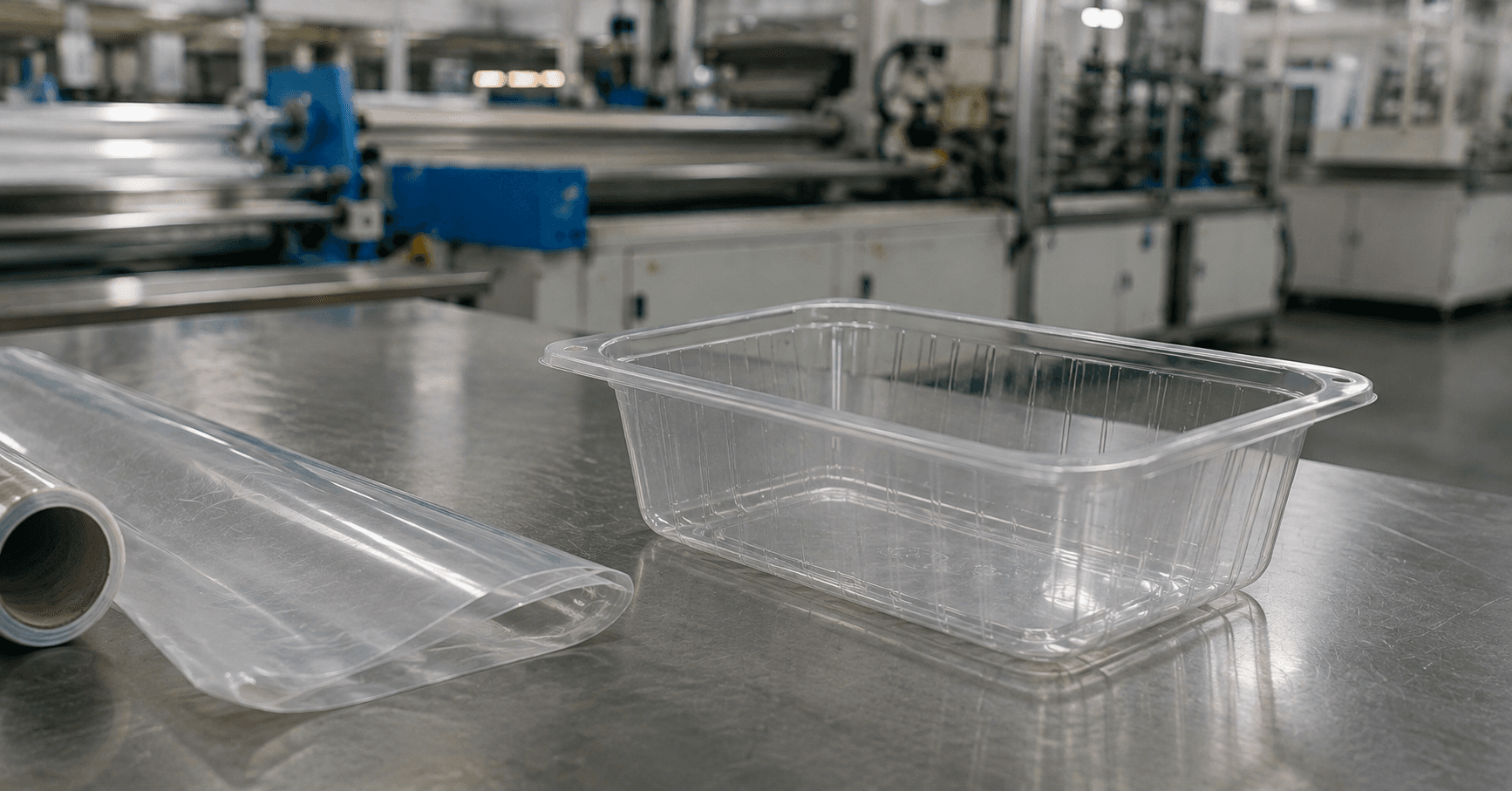
On the other side of the spectrum is Polymethyl Methacrylate, commonly known as acrylic. As a material, acrylic is prized for its exceptional optical clarity, often being more transparent and less reflective than glass itself. It boasts a sleek, glossy finish and a rigid structure that makes it an aesthetically pleasing material for high-visibility applications. Its excellent weather resistance and UV stability mean it will not yellow or become brittle over time when exposed to sunlight, making it ideal for outdoor signage, architectural glazing, and retail displays. Furthermore, its superior shatter resistance offers a significant safety advantage over glass in public spaces, protective barriers, and home furnishings.
When placed side-by-side, the differences between PP and acrylic become stark, guiding their use in very different fields. The most obvious distinction is aesthetics and clarity; acrylic is the clear winner for applications demanding crystal-clear visibility and a premium, glossy look. PP is typically translucent or opaque, prioritizing function and durability over pristine optical properties. In terms of mechanical properties, PP is the more flexible and resilient material. Its ability to bend without breaking is a major advantage for products that require movement or high impact resistance. Acrylic, while strong, is more rigid and can crack under significant stress. For thinner applications, materials like a PP film roll offer superior flexibility for wrapping, while a polypropylene film roll is useful for industrial packaging where barrier properties are critical. An acrylic sheet of similar thickness, by contrast, would remain rigid.
Ultimately, the choice between a PP sheet and an acrylic sheet depends entirely on your project's specific requirements. If you need a cost-effective, durable, and chemically resistant material that can withstand repeated stress and flexing, then polypropylene is your best bet. When you decide to buy PP sheet roll formats, you gain an economical material perfect for packaging, automotive parts, and reusable containers. Conversely, if your project prioritizes optical clarity, a premium finish, and UV resistance for displays, signage, or decorative panels, acrylic is the superior option. Regardless of your choice, partnering with reputable PP sheet suppliers or acrylic distributors is crucial to ensure you receive high-quality materials that perform as expected. By carefully weighing these distinct properties, you can confidently select the plastic that will bring your vision to life.
Understanding Polypropylene (PP) Sheets
Polypropylene is a thermoplastic polymer known for its incredible versatility. Often supplied as a polypropylene sheet roll, it is celebrated for its toughness, flexibility, and exceptional chemical resistance. Unlike many other plastics, PP can withstand a wide range of chemical solvents, acids, and bases, making it a staple in laboratory equipment and chemical storage containers. Another defining feature is its resistance to fatigue; it can be flexed repeatedly without breaking, which is why it's the material of choice for living hinges, such as those on flip-top bottle caps. A PP plastic roll is also lightweight, has good impact strength, and is generally one of the more affordable plastics, finding wide application in everything from automotive components and reusable containers to stationery and industrial packaging.
Introducing Acrylic (PMMA) Sheets
On the other side of the spectrum is Polymethyl Methacrylate, commonly known as acrylic. As a material, acrylic is prized for its exceptional optical clarity, often being more transparent and less reflective than glass itself. It boasts a sleek, glossy finish and a rigid structure that makes it an aesthetically pleasing material for high-visibility applications. Its excellent weather resistance and UV stability mean it will not yellow or become brittle over time when exposed to sunlight, making it ideal for outdoor signage, architectural glazing, and retail displays. Furthermore, its superior shatter resistance offers a significant safety advantage over glass in public spaces, protective barriers, and home furnishings.
PP vs. Acrylic: A Head-to-Head Comparison
When placed side-by-side, the differences between PP and acrylic become stark, guiding their use in very different fields. The most obvious distinction is aesthetics and clarity; acrylic is the clear winner for applications demanding crystal-clear visibility and a premium, glossy look. PP is typically translucent or opaque, prioritizing function and durability over pristine optical properties. In terms of mechanical properties, PP is the more flexible and resilient material. Its ability to bend without breaking is a major advantage for products that require movement or high impact resistance. Acrylic, while strong, is more rigid and can crack under significant stress. For thinner applications, materials like a PP film roll offer superior flexibility for wrapping, while a polypropylene film roll is useful for industrial packaging where barrier properties are critical. An acrylic sheet of similar thickness, by contrast, would remain rigid.
Making the Right Choice: Where to Source Your Materials
Ultimately, the choice between a PP sheet and an acrylic sheet depends entirely on your project's specific requirements. If you need a cost-effective, durable, and chemically resistant material that can withstand repeated stress and flexing, then polypropylene is your best bet. When you decide to buy PP sheet roll formats, you gain an economical material perfect for packaging, automotive parts, and reusable containers. Conversely, if your project prioritizes optical clarity, a premium finish, and UV resistance for displays, signage, or decorative panels, acrylic is the superior option. Regardless of your choice, partnering with reputable PP sheet suppliers or acrylic distributors is crucial to ensure you receive high-quality materials that perform as expected. By carefully weighing these distinct properties, you can confidently select the plastic that will bring your vision to life.