
What are plastic stabilizers and why are they needed?
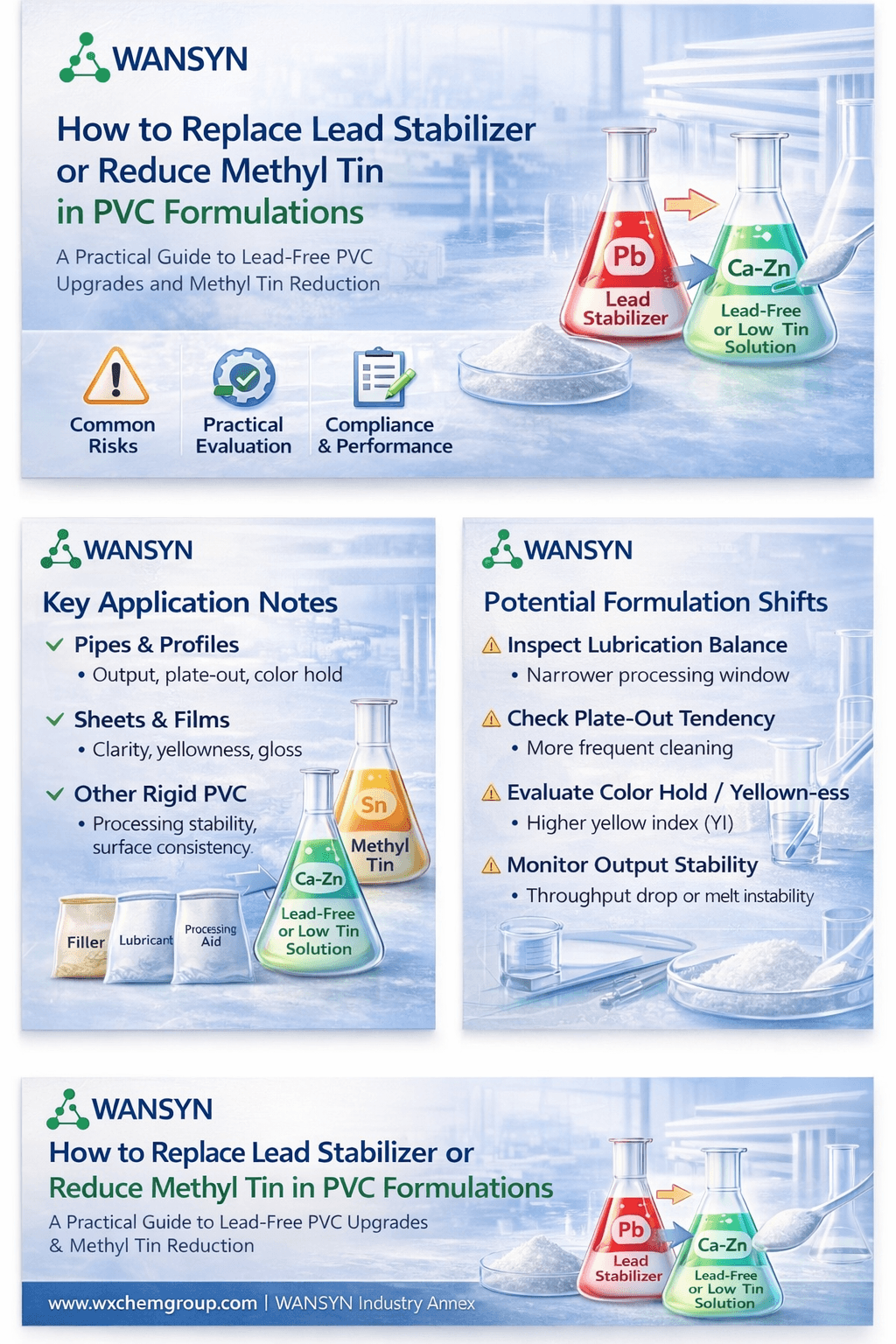
Plastic stabilizers are chemical additives that are introduced into a polymer melt to prevent its degradation under the influence of heat, UV light and oxygen. During processing and service, plastics are exposed to high temperatures, ultraviolet radiation and oxygen, which destroy their molecular structure. Without stabilizers—especially in PVC—materials quickly lose mechanical strength, become brittle, discolor and fail. Historically, lead-based systems were widely used because of their high efficiency and low cost, but their toxicity and negative environmental impact have made the development and adoption of safer, eco-friendly alternatives essential.
Powdered calcium–zinc stabilizer: an effective and safe alternative
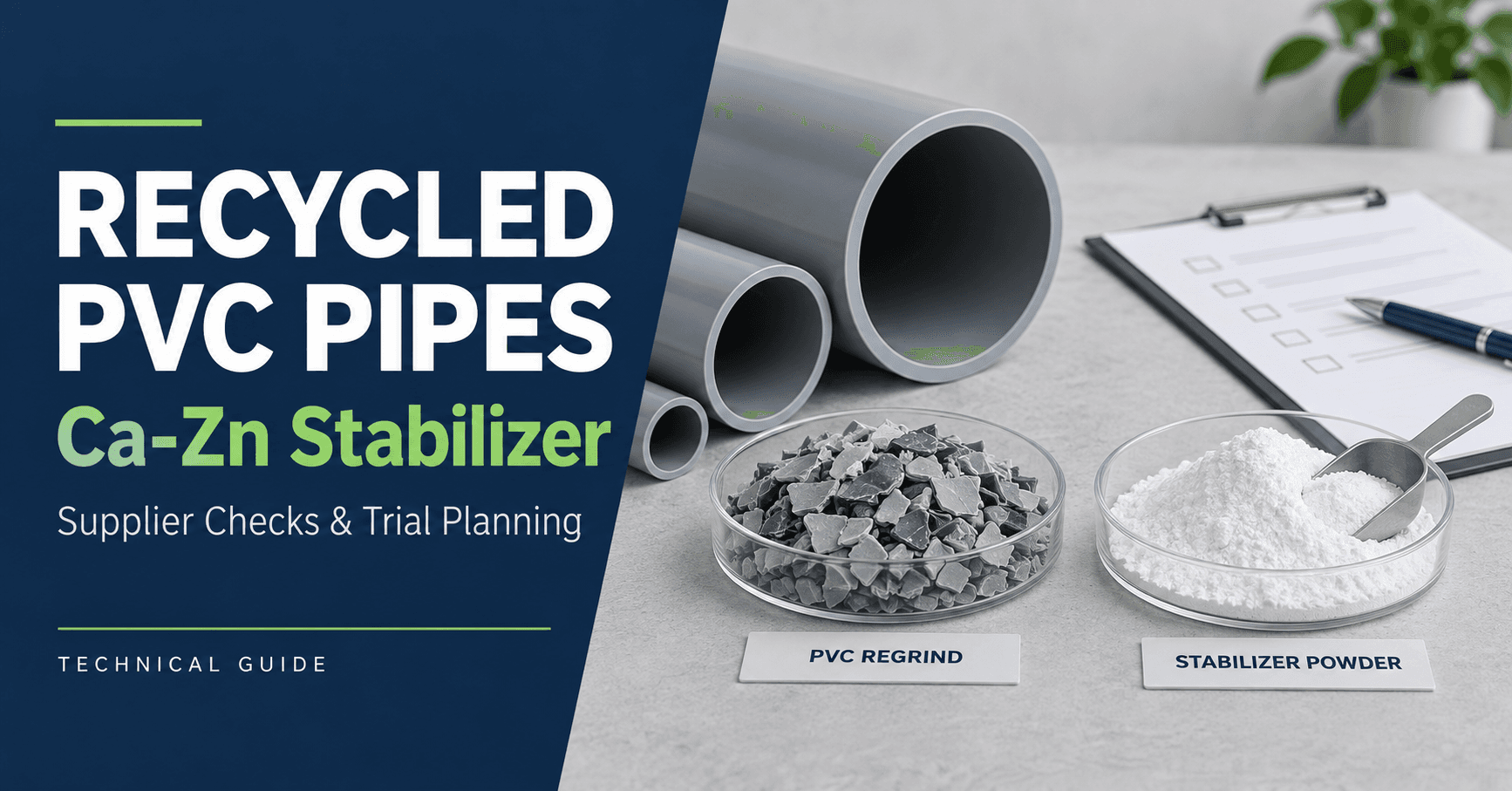
One of the most sought-after solutions on the market is the powdered calcium–zinc stabilizer. This composite additive, composed of calcium and zinc salts (usually stearates) together with antioxidants, lubricants and co-stabilizers, provides excellent long-term thermal stability. Unlike lead-based systems, Ca/Zn formulations are completely non-toxic and safe. Thanks to their powder form, they disperse quickly and evenly throughout the polymer matrix, ensuring consistent processing and high product quality. Powdered calcium–zinc stabilizers are already used in window profiles, potable-water pipes, cable insulation, flooring and even food-contact packaging.
Advantages of switching to eco-friendly solutions
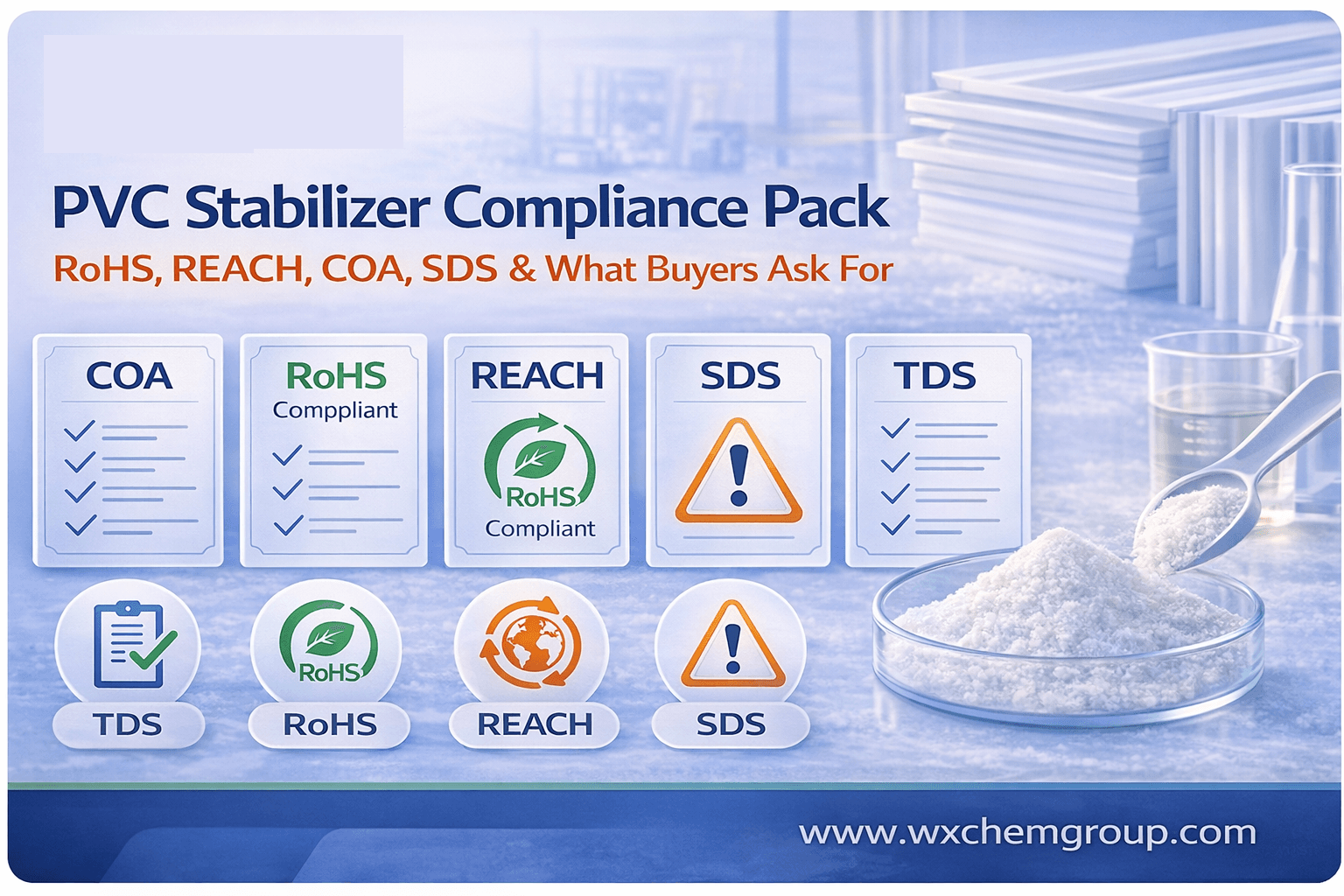
Using additives such as a calcium–zinc eco-stabilizer offers manufacturers multiple benefits. First, it ensures full compliance with strict international and national regulations such as REACH and RoHS, opening access to European and other developed markets. Second, it improves the safety of the end-product for consumers—crucial for toys, medical devices and food-contact materials. Third, it builds a positive corporate image as an environmentally responsible company. Adopting technologies like powdered calcium–zinc stabilizers not only enhances product performance but also strengthens competitiveness in a market that increasingly values sustainability. In short, modern plastic stabilizers are the key to a safer, more durable future for the polymer industry.