
Liquid Methyl Tin Stabilizer for Rigid PVC: A Practical Guide for Southeast Asia
When it comes to rigid clear PVC – sheets, films, profiles, bottles and high-transparency parts – liquid methyl tin stabilizer is still one of the most important choices for processors in Vietnam, Indonesia, India and Bangladesh.
In this article, we’ll look at what methyl tin stabilizers are, why they are widely used in Southeast Asia, and how to choose the right grade for your production.
H2: What Is Liquid Methyl Tin Stabilizer?
Liquid methyl tin stabilizer (often called methyl tin mercaptide or organotin stabilizer) is a high-efficiency PVC heat stabilizer used mainly in:
-
Rigid, transparent PVC products
-
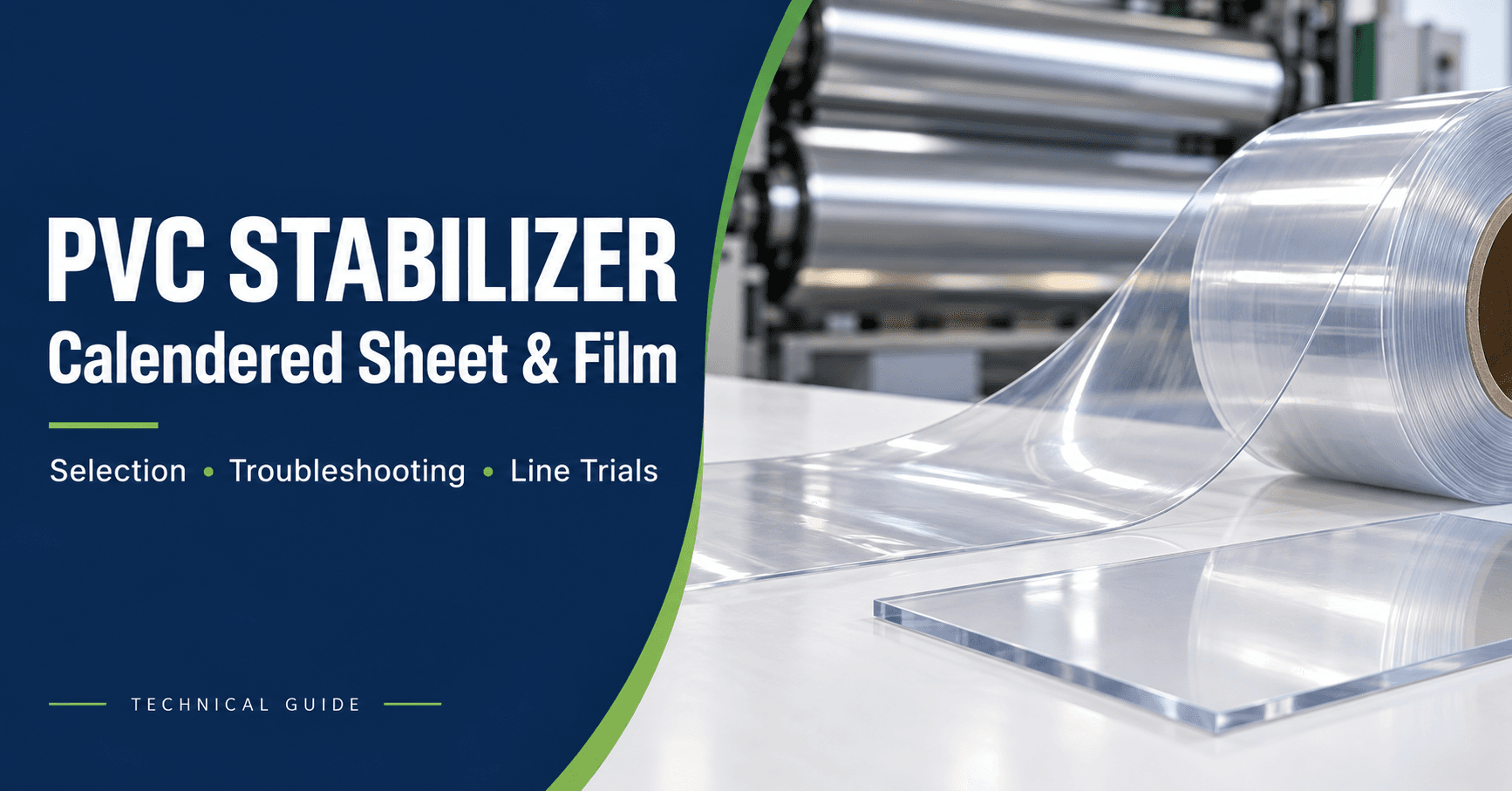
Calendered or extruded PVC sheets and films
-
Clear profiles, bottles, blister packs and thermoformed trays
Key features:
-
Excellent initial color and transparency
-
Long-term heat stability during high-temperature processing
-
Low dosage compared with many non-tin systems
-
Good weathering and color-holding performance
Because of its strong balance between performance and cost, methyl tin stabilizer is still a “go-to” solution for many export-oriented converters in Asia.
H2: Why Methyl Tin Stabilizers Are Popular in Southeast Asia
For PVC processors in Vietnam, Indonesia, India and Bangladesh, methyl tin stabilizers are attractive for several reasons:
1. High clarity and gloss for packaging
Export-oriented factories that supply food packaging, pharma blister, cosmetic trays and transparent covers often need:
-
Very low haze
-
Bright, neutral initial color
-
Stable color after multiple re-heating cycles
Methyl tin stabilizers help maintain clarity even at high line speeds and in deep thermoforming.
2. Strong heat stability in tropical climates
In Southeast Asia, ambient temperatures and warehouse conditions can be harsh. A good stabilizer not only survives processing temperatures (180–210°C) but also supports:
-
Longer residence time in the extruder
-
Reduced color shift during re-processing and recycling
-
Better stability during transport and storage in hot warehouses
Methyl tin gives a wide processing window, which is crucial for lines that run different thickness and width formats on the same machine.
3. Compatibility with export requirements
Many factories in Vietnam, Indonesia, India and Bangladesh are producing for Europe, the US, Japan and Middle East markets. They must balance:
-
Performance (clarity, stability, mechanical strength)
-
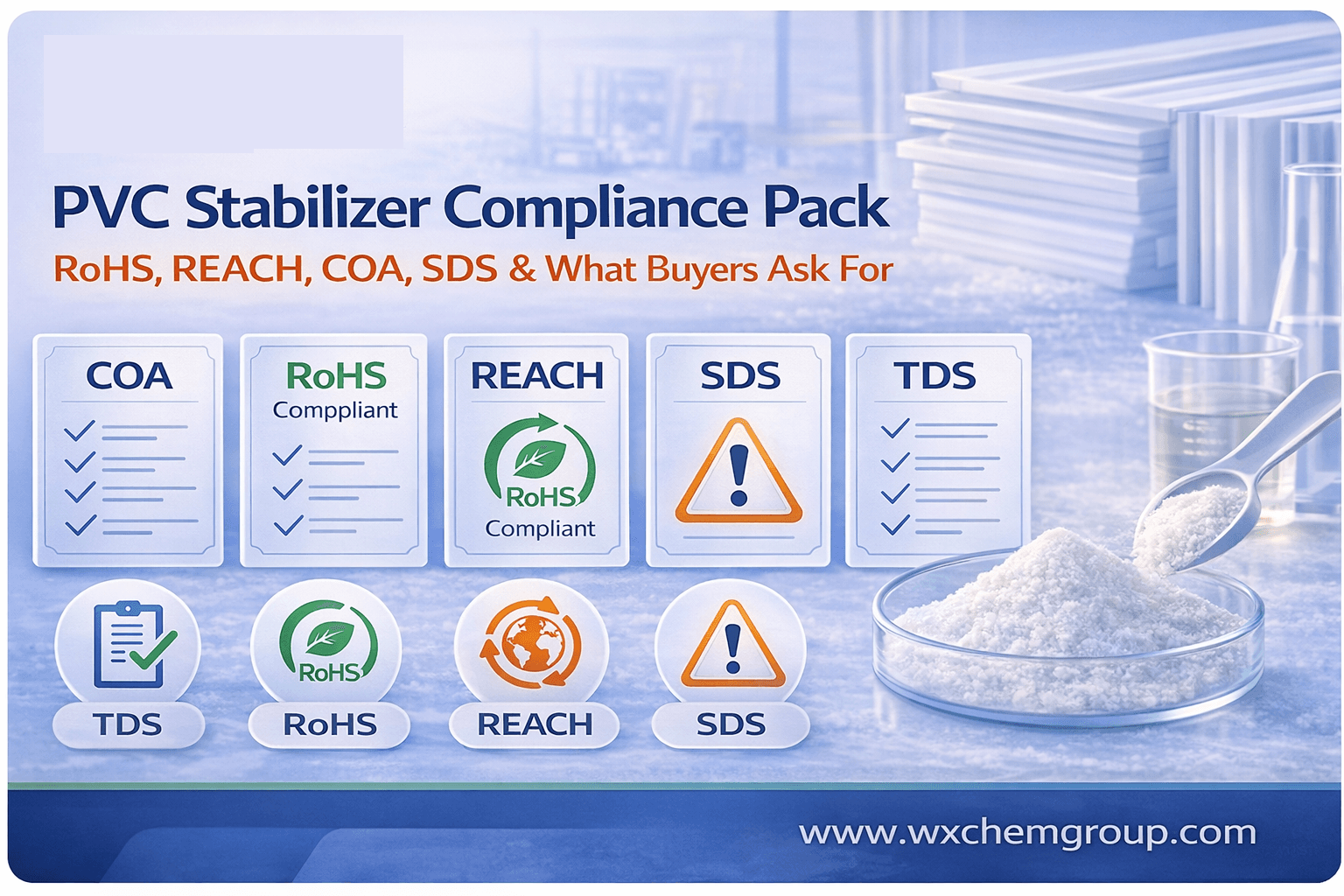
Regulations (RoHS, REACH, food-contact where applicable)
-
Cost and supply security
Modern methyl tin stabilizers can be optimized to meet these requirements with controlled organotin content and consistent batch quality.
H2: Typical Applications of Liquid Methyl Tin Stabilizer
Liquid methyl tin stabilizers are widely used in:
-
Rigid clear PVC sheets & films
-
Blister packaging
-
Folding boxes
-
Thermoformed trays
-
-
Transparent profiles and panels
-
Display strips, covers, signage
-
-
Bottles and containers
-
Certain industrial and cosmetic packaging
-
-
Other high-clarity rigid PVC products
-
Cards, display windows, technical parts
-
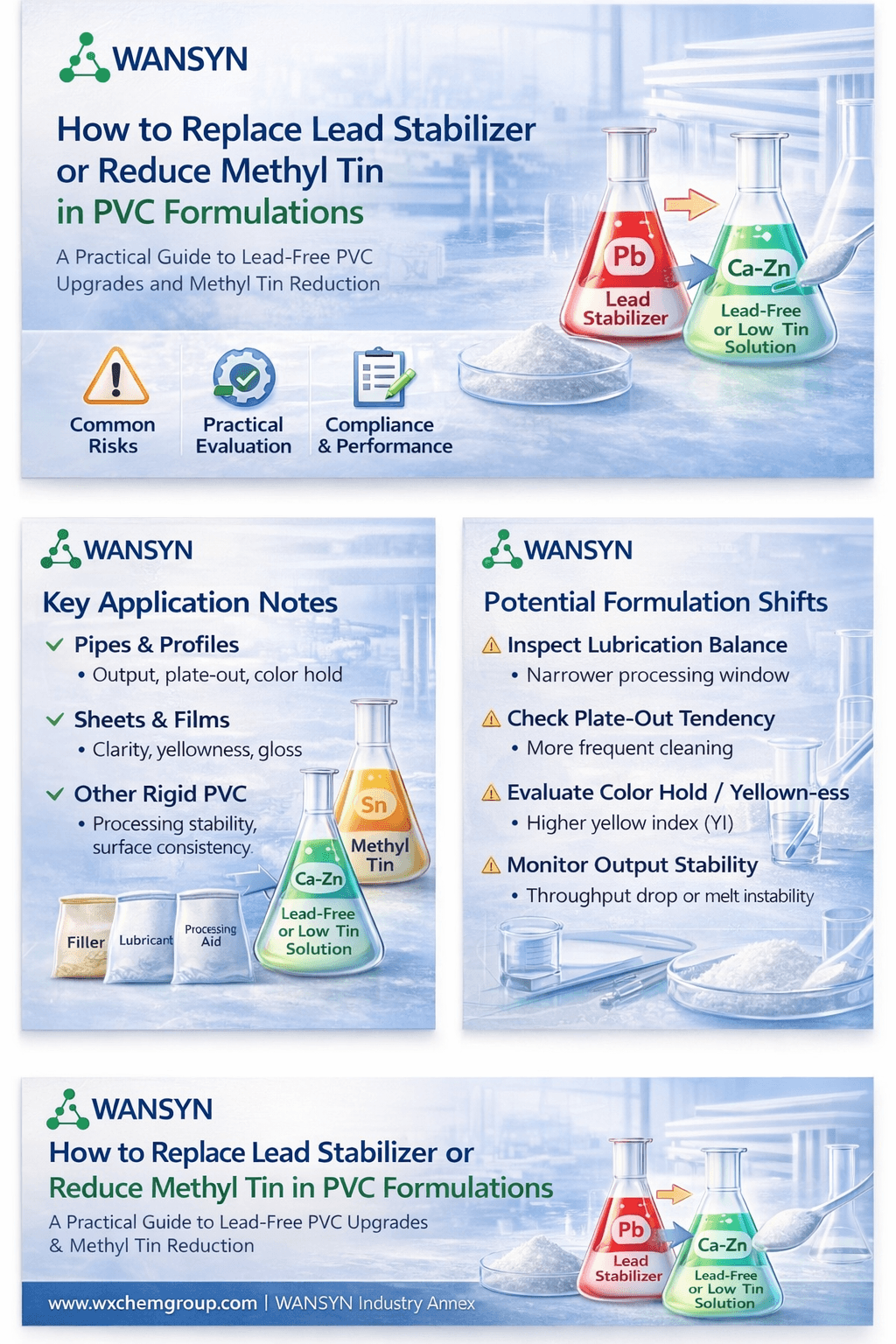
In many factories, methyl tin is also used as a booster together with Ca-Zn systems, to improve initial color and long-term stability.
H2: Key Performance Points to Check in Your Production
When you evaluate or switch to a new methyl tin stabilizer, pay attention to:
1. Initial color & color hold
-
YI (yellowness index) of the first and later passes
-
Color change after multiple re-processing cycles
-
Visual appearance after thermoforming or vacuum forming
2. Dynamic thermal stability
-
Torque rheometer or oven tests at your real processing temperature
-
Time to discoloration or blackening
-
Stability at different screw speeds and throughputs
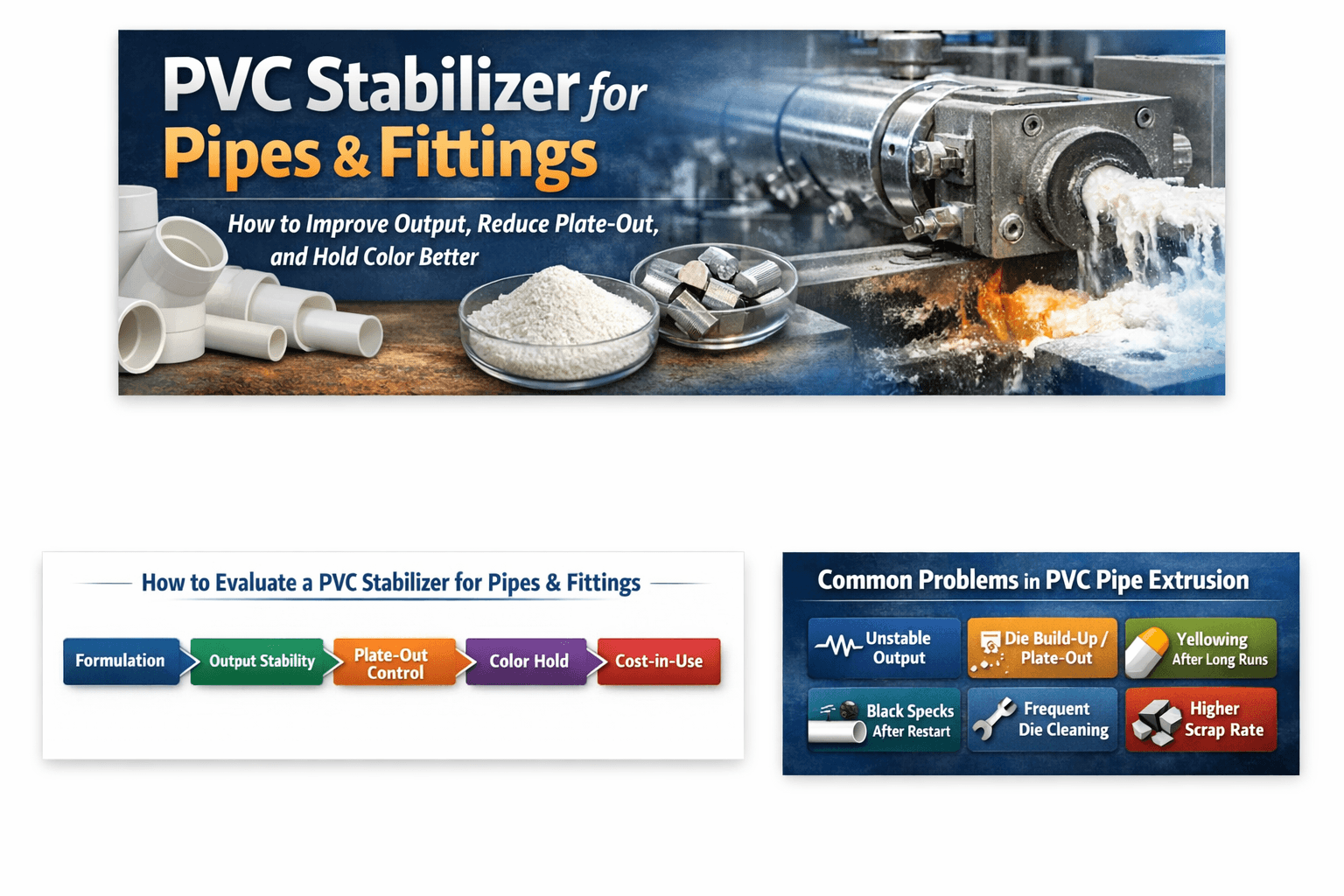
3. Plate-out and die build-up
-
Frequency of die cleaning
-
Gel spots or surface defects after longer runs
-
Interaction with lubricants and processing aids
4. Odor and migration
-
Odor at the extruder
-
Any visible migration or blooming on the film or sheet surface during storage
A good methyl tin stabilizer should give you clean processing, low plate-out, and consistent color from start-up to long runs.
H2: Cost vs. Performance – How to Optimize Your Formulation
Methyl tin stabilizers are usually more expensive per kilogram than Ca-Zn systems, but they offer higher efficiency per phr and better clarity. To optimize your total cost:
-
Use the lowest effective dosage that still meets your stability and color targets
-
Consider combining methyl tin with Ca-Zn for semi-clear grades where ultra-high clarity is not necessary
-
Work with a supplier that can test your current resin, lubricants and additives in a lab and simulate your processing window
At WANSYN Industry, we support customers by adjusting:
-
Stabilizer dosage
-
Lubricant package
-
Processing temperature profile
to find a better balance between stability, clarity and cost.
H2: How WANSYN Supports PVC Processors in Southeast Asia
As a Chinese manufacturer of PVC stabilizers, WANSYN Industry supplies liquid methyl tin stabilizers and Ca-Zn stabilizers to customers in:
-
Vietnam – rigid sheet and film, profiles, packaging
-
Indonesia – pipes, profiles, cables, films
-
India – high-clarity sheets, bottles, technical parts
-
Bangladesh – rigid clear sheets, blister and packaging films
We provide:
-
Free lab testing of your current stabilizer and PVC formulation
-
Matched formulas tailored to your resin (K value) and line conditions
-
Technical support during trial production and scale-up
If you’re planning to qualify a second source or upgrade your stabilizer system, our team can help you evaluate the risks and benefits step by step.
H2: When to Consider Switching or Re-Qualifying Your Methyl Tin Stabilizer
You may need to review your current stabilizer when you face:
-
More frequent plate-out or die cleaning
-
Unstable color between batches or different seasons
-
New customer requirements on clarity, odor or compliance
-
Plans to increase line speed or reduce material costs
In these cases, a well-designed methyl tin stabilizer – possibly in combination with Ca-Zn – can unlock extra performance without a complete process redesign.
H2: Talk to WANSYN About Your PVC Project
If your factory in Vietnam, Indonesia, India or Bangladesh is processing rigid PVC sheets, films or profiles and you are:
-
Not satisfied with your current stabilizer
-
Looking for a second source from China
-
Planning to enter higher-value export markets
we’d be happy to review your formulation and processing window.
👉 Learn more about our liquid methyl tin stabilizers and Ca-Zn systems on our website:
www.wxchemgroup.com
You can send us your current stabilizer grade, dosage, resin type and main issues (plate-out, color, odor, etc.), and our technical team will propose a tailored solution for your line.