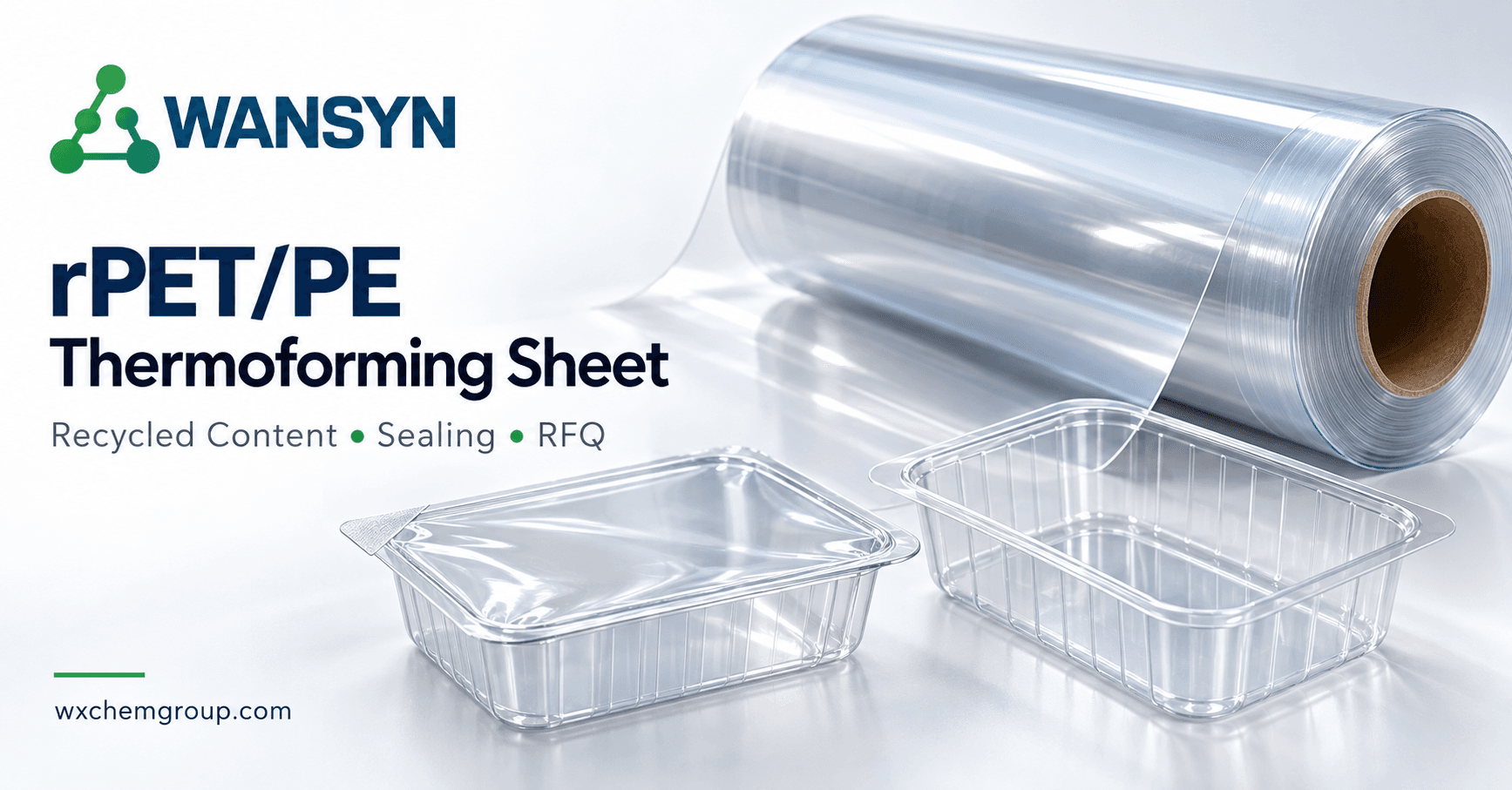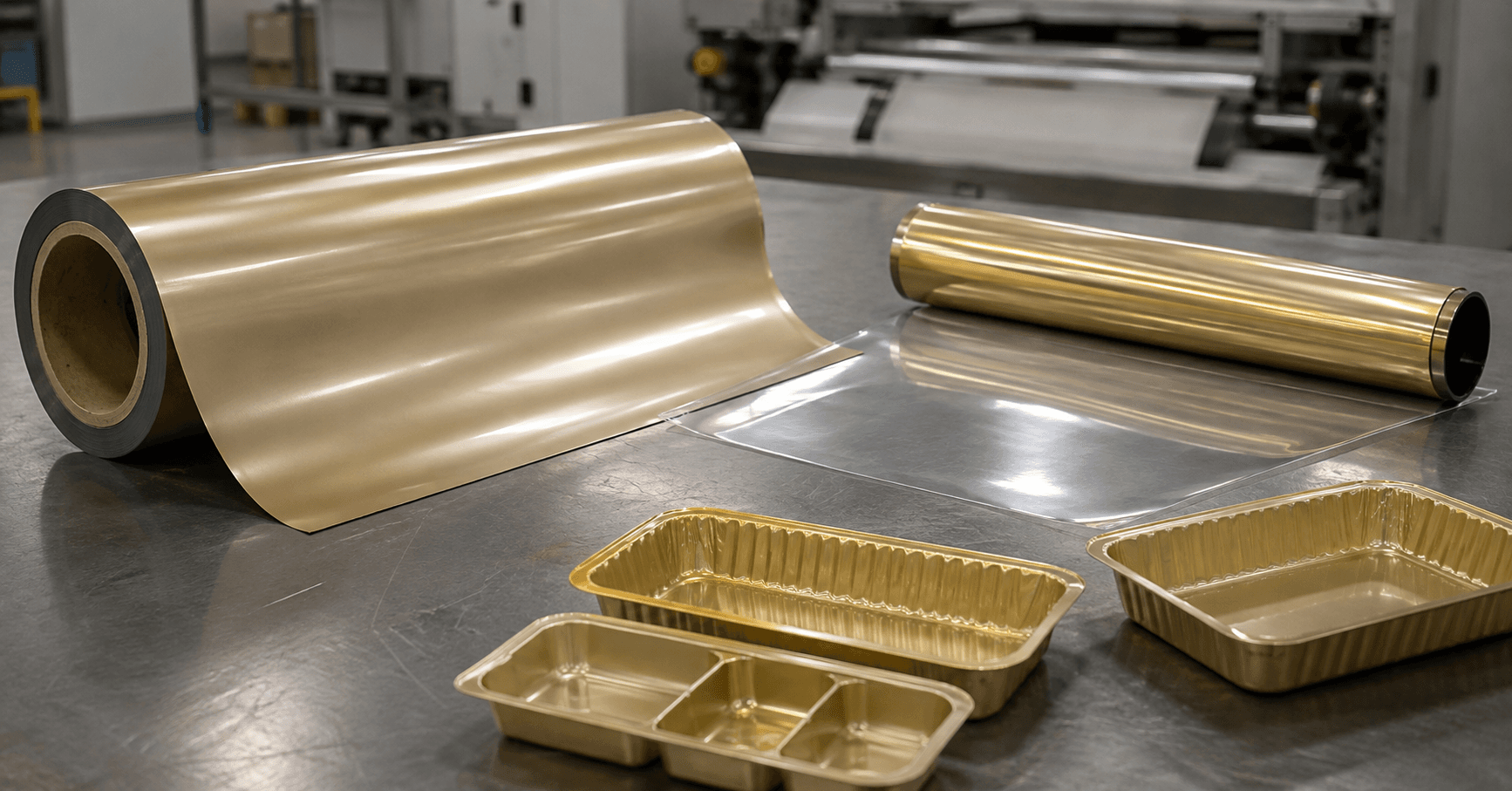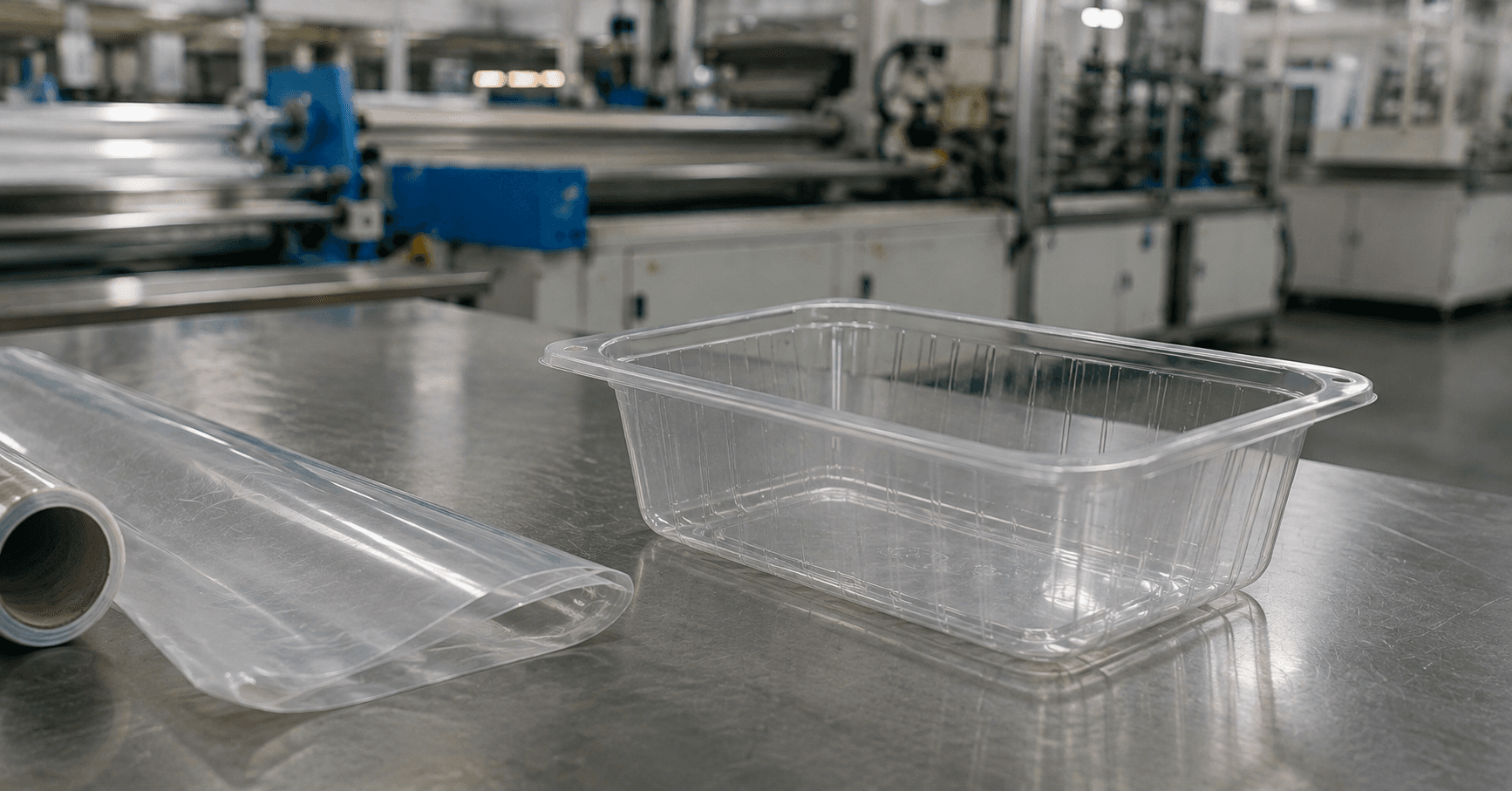

Laminated PET/PE Sheet Roll for Thermoforming
How Buyers Specify Sealing, Printing & Anti-Fog—And When to Upgrade to PET/CPP or PP/CPP
If you source thermoforming sheet rolls for supermarket meat trays, seafood trays, sushi trays, salad and bakery packs, one question shows up again and again:
“Should I use mono sheet, or laminated sheet—and how do I specify it correctly?”
This article is a buyer-focused spec guide for laminated PET/PE sheet rolls (a multi-layer material using PET + PE), including the keywords buyers actually search: thermoforming, sealing, printing grade, gloss/matte/anti-fog, roll or sheet format, custom thickness & width.
1) What is a Laminated PET/PE Sheet?
A laminated PET/PE sheet is a multi-layer plastic material composed of PET and PE:
-
PET layer: high clarity and stiffness (stable forming + premium display)
-
PE layer: heat-sealing properties and moisture resistance (often more forgiving on sealing)
Compared with many single-layer options, PET/PE laminates are often chosen because they balance display quality + sealing stability in real production.
2) Where is Laminated PET/PE Commonly Used?
Typical applications include:
-
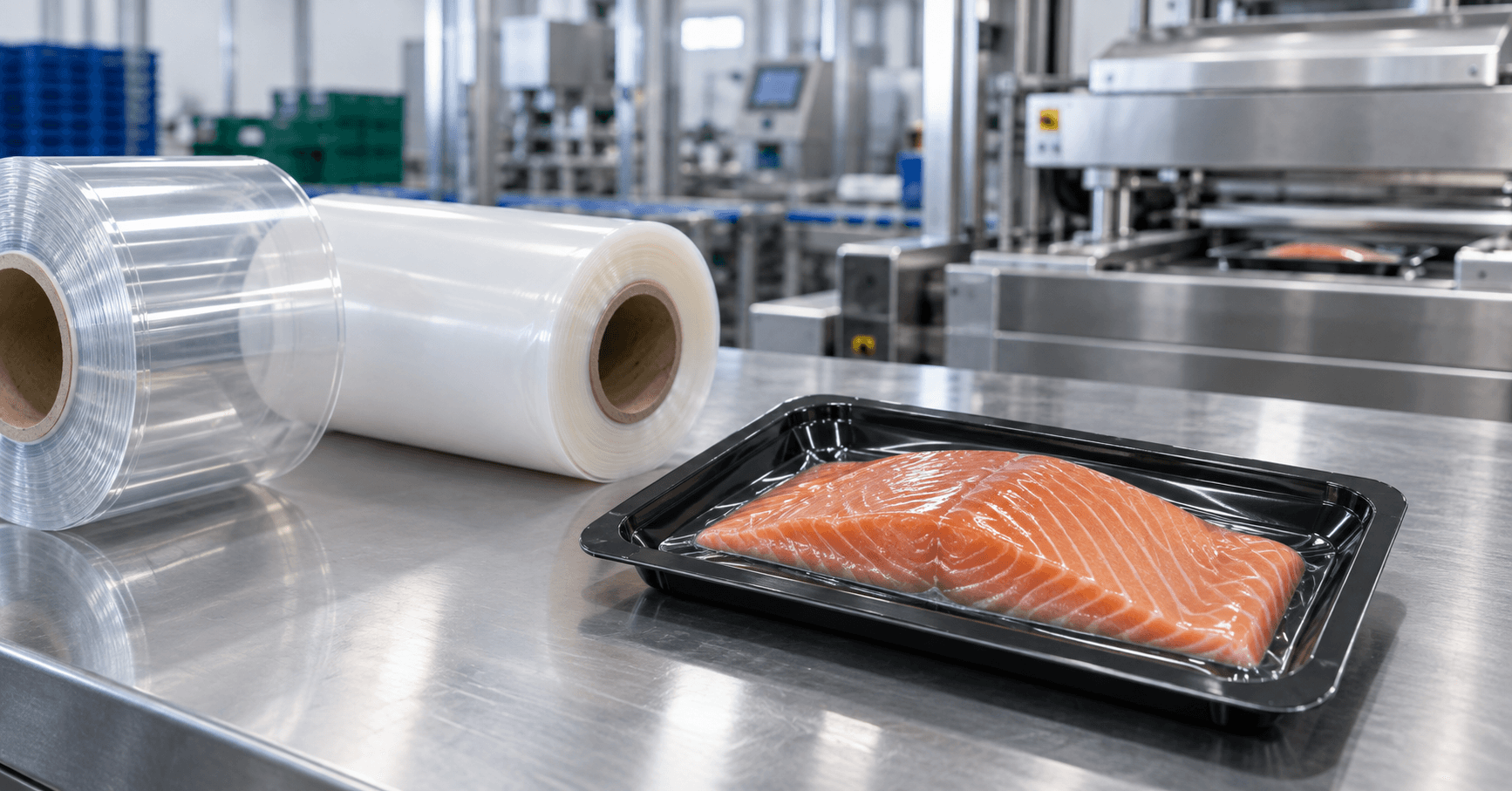
Trays, clamshells, lids for food packaging
-
Meat trays, salad containers, bakery packaging, ready-to-eat packs
-
Also seen in medical / blister pack related packaging needs (depending on local requirements)
3) The Buyer Spec That Matters Most: “Seal Window” (Not Just “Seal Strength”)
Many leaks or messy openings are not caused by “bad material”—they come from an unstable seal window.
Seal window = Temperature × Pressure × Dwell time range where you can consistently achieve:
-
hermetic seal (no microleaks)
-
clean opening behavior (if easy-peel is needed)
-
good appearance (no wrinkles / deformation)
Practical Seal-Window Checklist
-
Machine model: ______
-
Lidding film: ______
-
Tray depth & flange width: ______
-
Trial matrix: Temp ___ / Pressure ___ / Dwell ___
-
Record each cell: Pass / Leak / Too strong / Stringing / Wrinkle
If you run MAP or long shelf-life chilled trays, remember: microleaks beat barrier—you can lose shelf performance from sealing first.
4) Finish Options Buyers Search: Gloss vs Matte vs Anti-Fog
Gloss finish
-
Used for premium shelf display clarity
-
Common for meat/seafood retail appearance
Matte finish
-
Reduces glare, improves “premium touch”
-
Useful when branding/label readability matters
Anti-fog coating
-
Helps chilled display clarity (especially in cold cabinets)
-
Best paired with the right structure + sealing system, not “coating only”
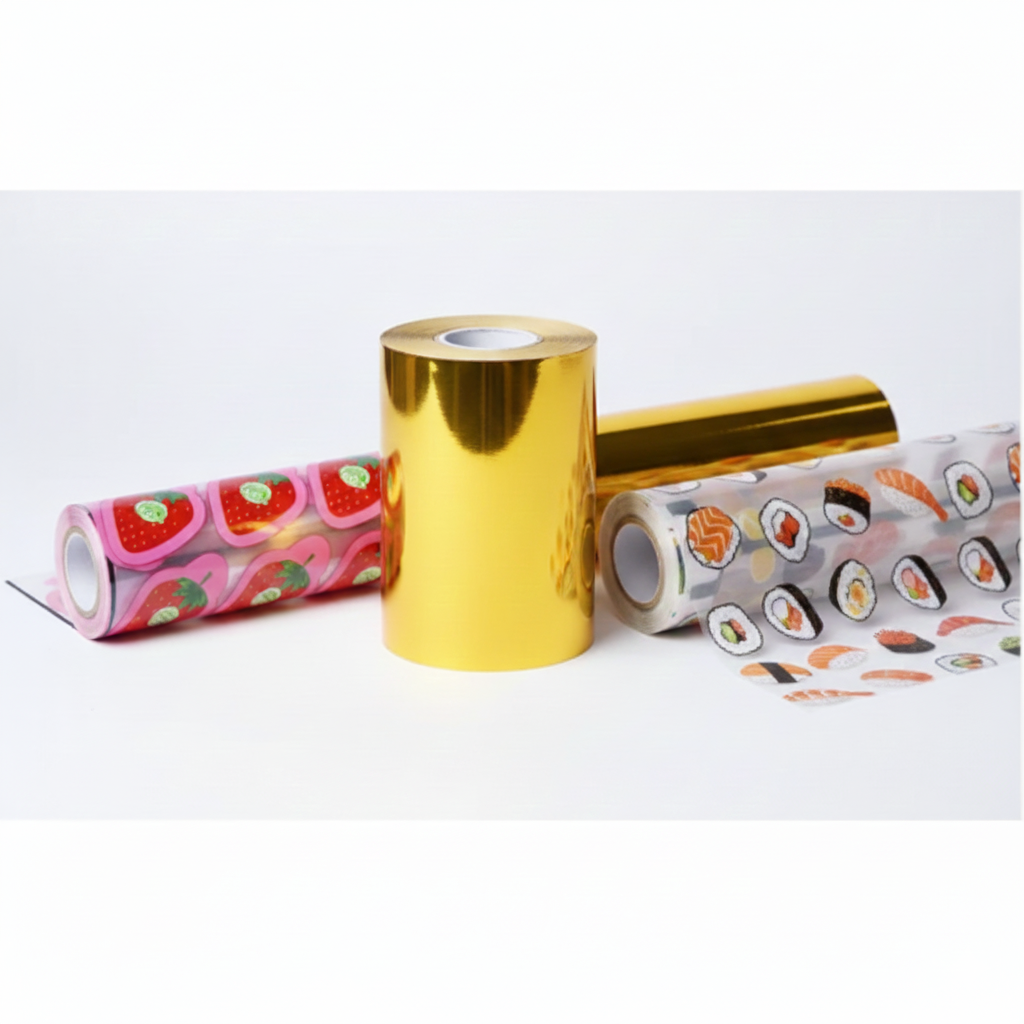
5) Printing Grade: Sushi Prints, Premium Look, and Scuff Resistance
For sushi trays and premium thermoformed packs, buyers care about:
-
print sharpness
-
rub/scuff resistance after forming
-
consistent color after heating/forming
If the project is printed sushi trays or premium appearance trays, specify:
-
printing method preference (reverse print + lamination, or protected print)
-
forming depth (deeper draw = higher print stress)
-
scuff target (transport + retail handling)
6) When PET/PE Is Enough—and When to Upgrade to PET/CPP or PP/CPP
PET/PE is a sealing-friendly baseline. But many supermarket projects require a “performance package”:
-
Barrier (OTR/WVTR target)
-
Anti-fog
-
Easy-peel
-
Durable printing
-
Sometimes cold-chain toughness (-20°C)
That’s where WANSYN’s laminated structure menu becomes the engineered upgrade path:
-
PET/CPP: clarity + stable sealing + strong print protection options
-
PP/CPP: cold chain / impact-focused thermoforming (freezer cracking control)
-
PET/PE: sealing-friendly baseline + anti-fog & print-ready options
PET/CPP PP/CPP PET/PE laminated sheets selection
supermarket meat seafood sushi trays laminated sheets
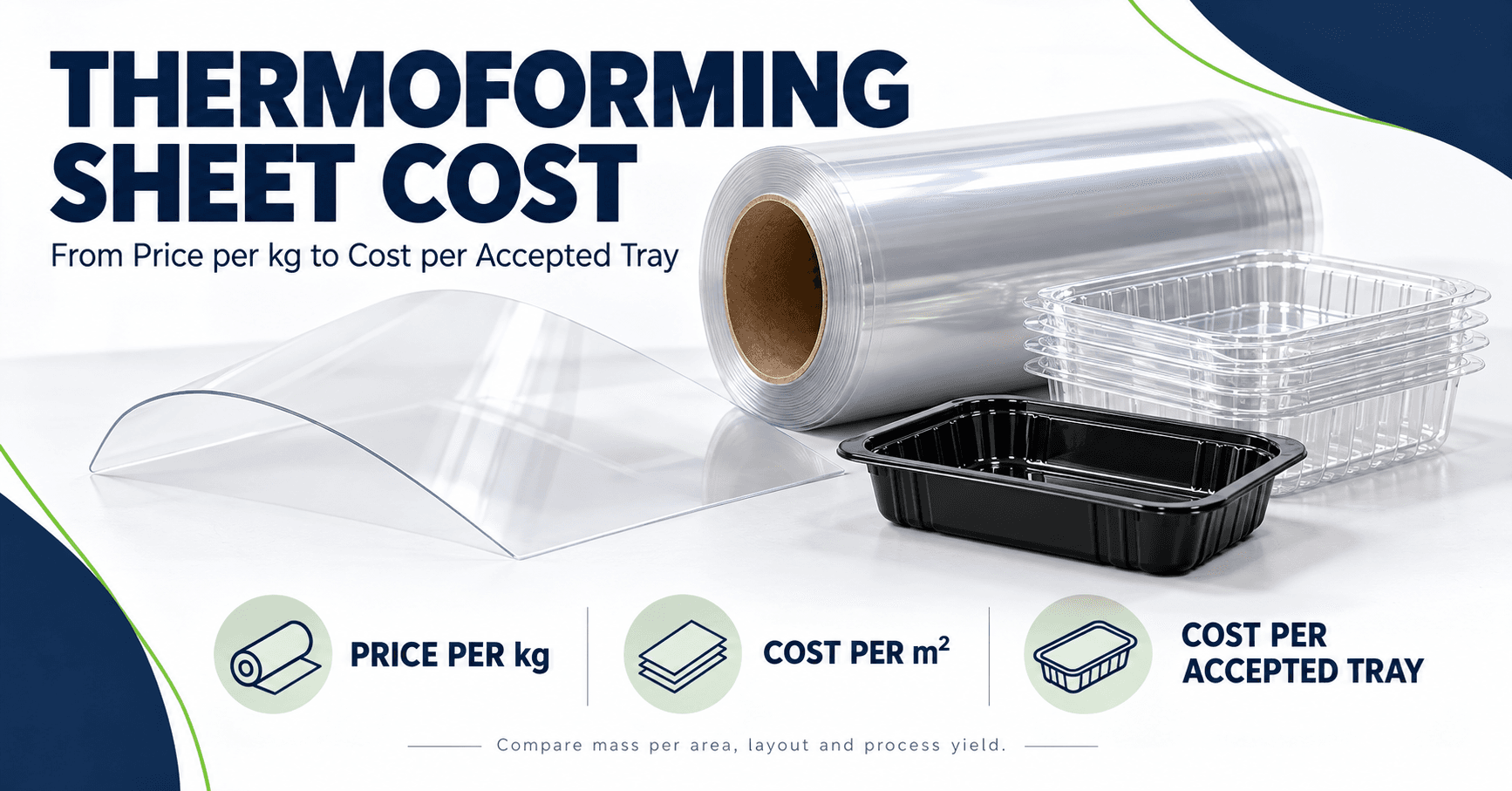
7) Size, Thickness, Roll/Sheet Format—What to Put in an RFQ
Buyers frequently search for “roll or sheet format” and typical thickness ranges.
Copy-ready RFQ template
-
Application: meat / seafood / sushi / bakery / other: ____
-
Structure: PET/PE / PET/CPP / PP/CPP / recommend: ____
-
Thickness: ____ mm (typical 0.15–1.5mm depending on tray)
-
Width: ____ mm; Roll OD: ____; Core: ____
-
Finish: gloss / matte / anti-fog
-
Printing: none / sushi print / premium look / other: ____
-
Sealing: lidding film type ____; target seal window ____
-
Shelf-life target: ____ days; packaging type: normal / MAP / VSP: ____
FAQ
Q1: Is laminated PET/PE food-safe?
Many suppliers position PET/PE laminates as food-grade and suitable for meat trays and ready-to-eat packs; confirm compliance documents for your destination market.
Q2: What makes laminated PET/PE easier to seal than some mono sheets?
The PE layer provides heat-sealing properties and moisture resistance, while PET maintains clarity and stiffness—often improving real-world sealing stability.
Q3: Should I choose PET/PE or PET/CPP / PP/CPP?
PET/PE is a solid baseline for sealing-friendly thermoforming. If you need stronger barrier/easy-peel repeatability/print durability or cold-chain toughness, PET/CPP or PP/CPP may be a better engineered choice.