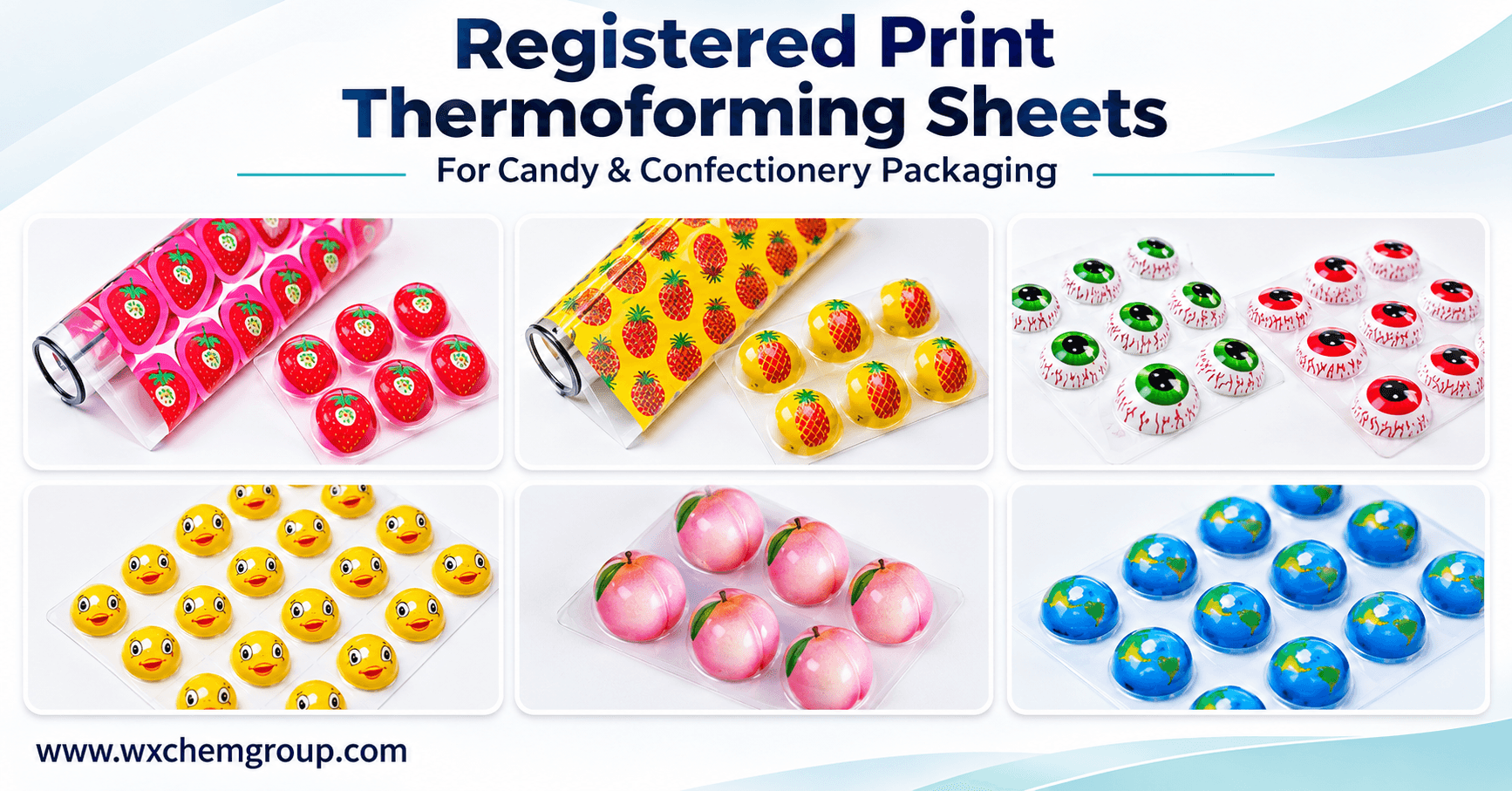

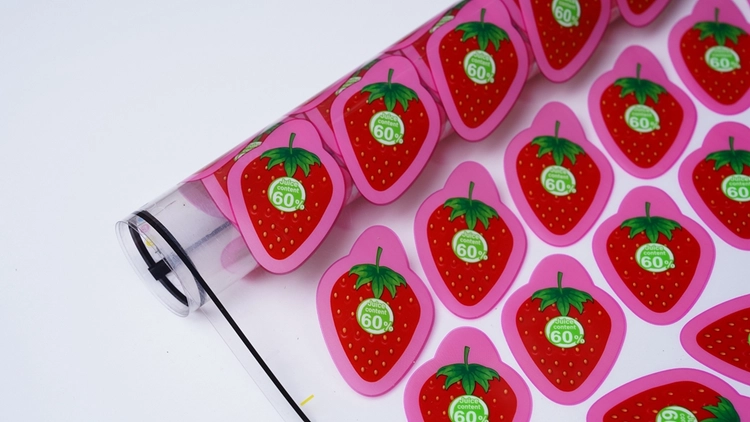
A fruit graphic, an eye design or a colourful character face can become part of the identity of a candy pack. With registered print thermoforming sheet, the artwork is planned to sit at defined positions on the formed blister, rather than appearing at random across the package.
WANSYN supplies custom printed sheet materials for packaging development, including the fruit designs, novelty candy blisters and cheese stick packaging shown in our catalogue. We work with candy companies, packaging developers and thermoforming factories to match the printed material to the pack design and production requirements.
Planning a new candy pack? Send us a reference photo, the required sheet thickness and width, and your forming layout if available. These give us a practical starting point for discussing material options, artwork and a trial.
What is registered print thermoforming sheet?
It is preprinted plastic sheet supplied for forming into packaging, with the print repeat and artwork layout coordinated with the tool. During production, the printed web or sheet is positioned so that the intended graphics align with the relevant cavities and cutting outline.
For example, a fruit design may need to sit within each blister, an iris may need to stay centred on an eye-shaped pack, or a brand panel may need to appear on a visible area of a tray.
The British Plastics Federation's thermoforming overview describes preprinted sheet positioned relative to mould cavities before forming. This is different from printing a decoration onto a finished moulded part.
Packaging ideas from the WANSYN catalogue
Our catalogue provides several starting points for a printed sheet for candy packaging. The visual concept can be developed around your own artwork, product dimensions and packaging process.
| Packaging direction | Catalogue examples or product scope | Opportunity for the buyer |
|---|---|---|
| Fruit-themed candy blisters | Strawberry, citrus, melon, pineapple, grape and peach-style designs | Coordinate flavour colours, graphics and pack shape within a product range |
| Novelty candy blister packaging | Eye designs, expressive faces, animal graphics and globe-style packs | Make the formed package part of a recognisable visual concept |
| Shaped promotional candy packs | Bottle-style and other individually decorated shapes | Develop a distinctive format with artwork matched to the cavity |
| Cheese stick packaging | Printed rolls and shaped dairy-pack examples | Combine repeatable decoration with the required forming and opening system |
| Chocolate and confectionery trays | Chocolate packaging is included in the catalogue's product scope | Evaluate branded inserts, visible panels and coordinated gift-pack presentation |
These examples show design directions. The substrate, printed face, dimensions and functional requirements are selected for the individual project.
Why candy companies consider registered printing
For a candy brand, the package can carry more than a background colour. Registered printing allows a specific image to be planned around the shape of an individual pack.
- Clearer product identity: place a recognisable fruit, face or brand element in the intended viewing area.
- Coordinated product families: develop related designs for different flavours, colours or seasonal editions.
- More design freedom: review how graphics can work with domes, shallow cavities and shaped blisters.
- Consistent presentation: define an approved formed-pack sample that the brand owner, material supplier and converter can all use.
A flat artwork proof is one stage of approval. The brand's final visual target should be checked on the formed package, including the parts visible after filling and packing.
What thermoforming factories need from printed sheet rolls
For a thermoforming or vacuum-forming factory, the buying requirement is a roll that fits the machine and tool as well as the artwork. Registered printed sheet rolls need an agreed relationship between print repeat, feed direction, cavity layout and trimming.
Before producing a custom printed blister sheet, confirm:
- the machine-direction repeat and the number of cavities across the web;
- artwork orientation, side margins and the intended cut outline;
- registration-mark position and the machine's method of reading and positioning the print;
- sheet thickness, width, core size, maximum roll diameter and unwind direction;
- where print position will be measured on the cooled, trimmed part.
Suitable equipment may use a print-mark sensor and controlled material transport. Check the actual machine capability before fixing the artwork layout. A mark helps position the material; it does not by itself establish the appearance of every stretched graphic.
Share the complete tool layout when available. A single cavity's length and width do not define the full printing repeat.
Registered graphics or an all-over pattern?
A decorative pattern can repeat across a sheet without needing each motif to align with a particular cavity. That approach may suit some background designs.
Print-to-form registration is needed when a particular image must sit at a defined location on each pack. For a novelty eye design, for example, the intended position of the iris matters to the appearance of the finished blister.
Also distinguish print-to-form alignment from colour-to-colour registration during printing. Both affect appearance, but they describe different checks.
Choosing the base material and packaging functions
WANSYN's catalogue covers PET, PP, PS and PVC packaging materials. For a registered-print project, the material recommendation follows the application, forming equipment and required package performance.
Whether you enquire about printed PET sheet for thermoforming, printed PP sheet for thermoforming or printed PS sheet for thermoforming, please provide the same essential design and process information. A successful layout on one material should be reviewed before changing to another.
Start with our printed PET sheet and roll range if PET is already specified. If you are still choosing the substrate, send a current sample or the package brief.
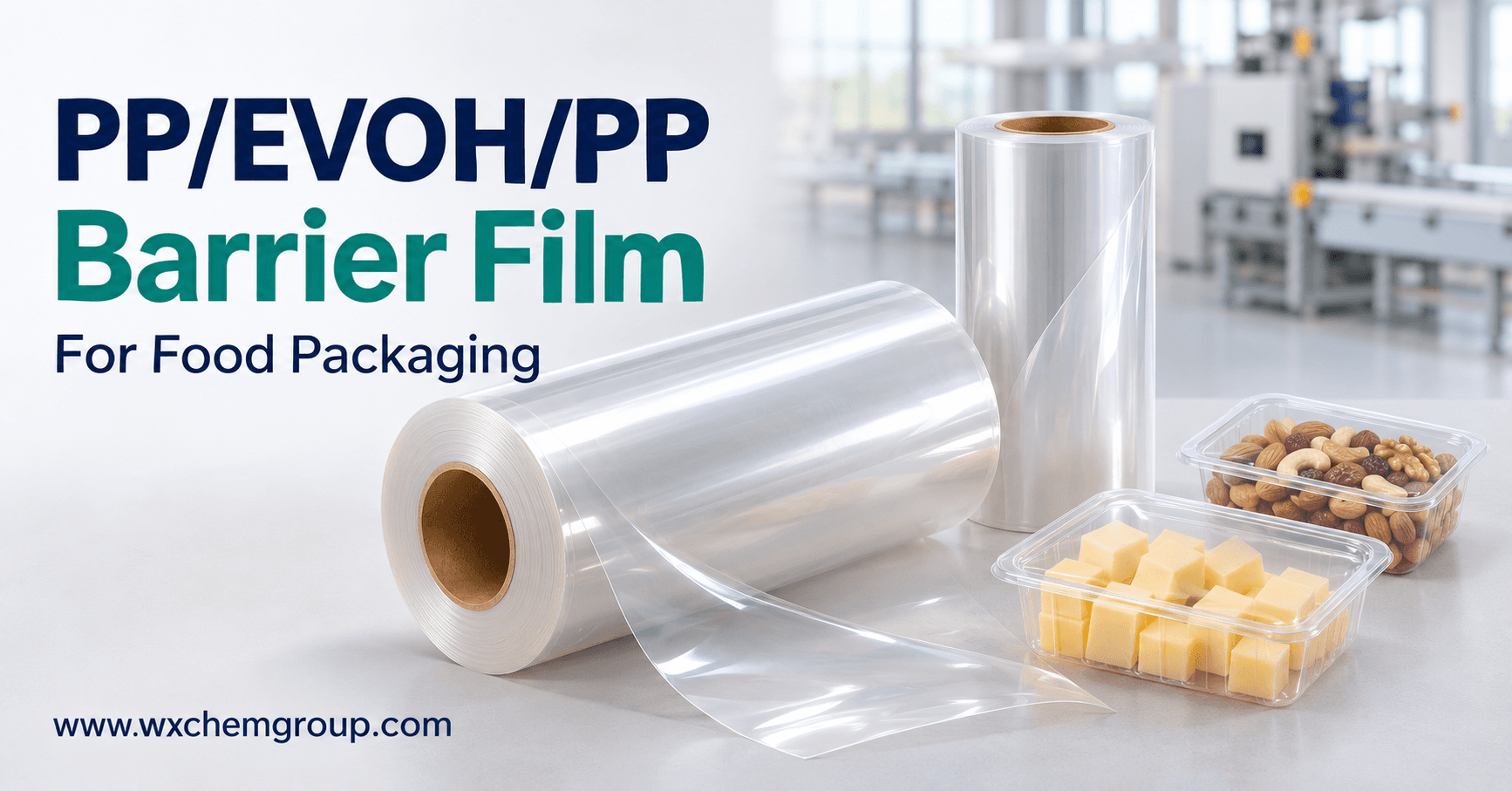
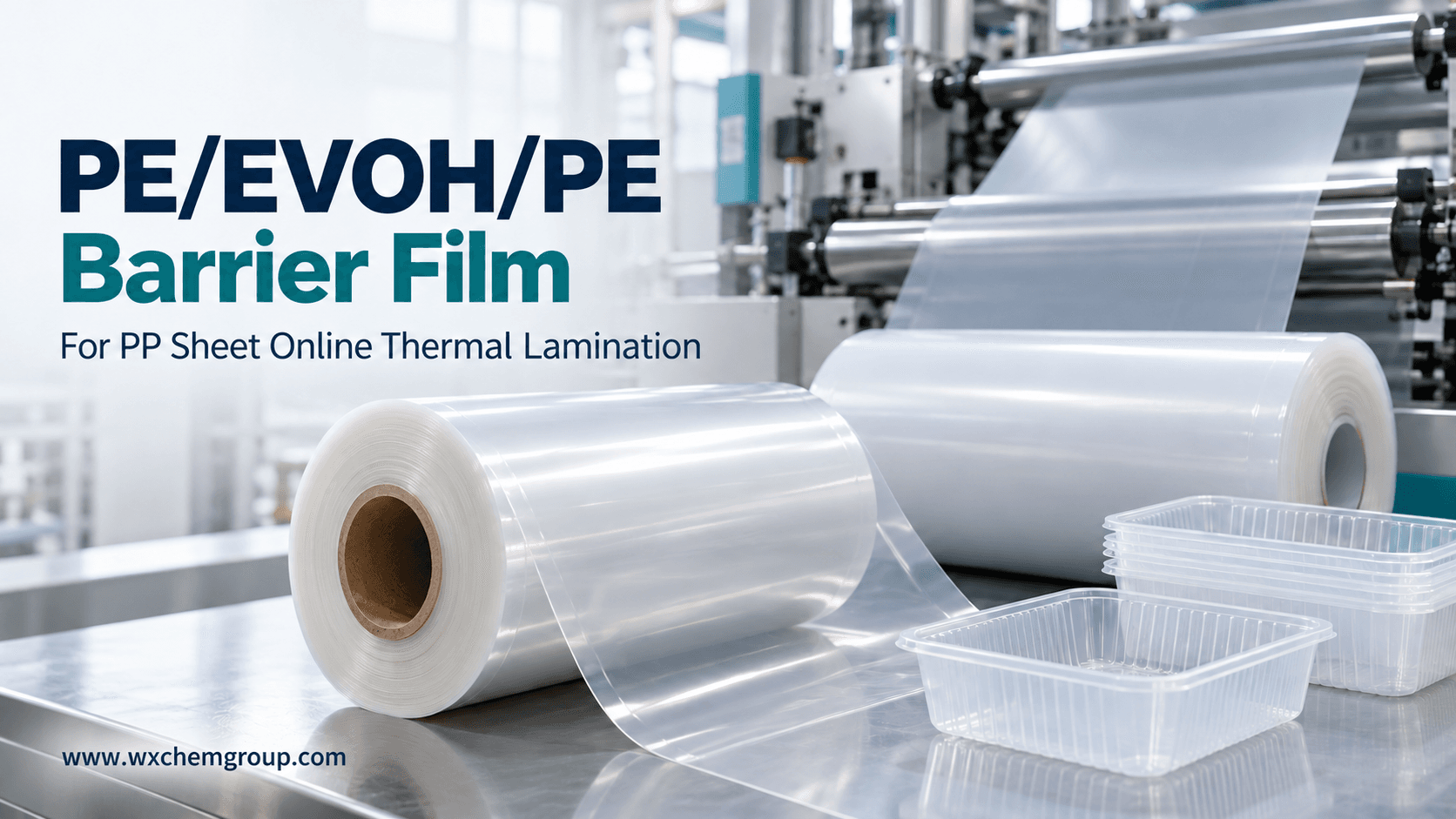
Our catalogue also includes easy-peel and high-barrier packaging options. If the pack needs either function, specify it alongside the artwork. Printing, barrier and the opening system have separate jobs, and the selected construction should address all required functions.
From artwork to an approved formed sample
- Review the concept. Share the candy or food product, desired pack appearance and an existing sample if available.
- Confirm the tool and line. Agree the forming layout, repeat, registration arrangement and roll format.
- Prepare the artwork. Position key graphics, colour references, margins and any required clear areas.
- Trial the printed material. Inspect alignment, graphic shape, colour, forming behaviour and cutting on the actual line.
- Approve the finished sample. Record the agreed appearance, functional checks and production specification before a larger order.
Heating and stretching can change the apparent size and shape of a graphic. Some designs need artwork adjustment after a forming trial. Define the accepted position and appearance on the actual part, rather than promising one universal registration tolerance for every material, tool and machine.
Check the print after handling and nesting as well as immediately after forming. For food packaging, confirm the food-contact side and request documentation for the selected material and intended conditions of use.
What to send for a quotation
A brand owner can start with a pack photo or design concept. A thermoformer can usually add the tool and machine details. Bringing these inputs together makes a confectionery packaging sheet enquiry more useful.
| Information | What to share |
|---|---|
| Application | Candy blister, novelty pack, chocolate tray or cheese stick pack |
| Material | Specified substrate, existing structure or a request for a recommendation |
| Artwork | Editable design or print-ready PDF, colour references and required clear areas |
| Forming layout | Cavity drawing, full tool layout, repeat, feed direction and registration-mark requirements |
| Dimensions and roll format | Thickness, width, tolerances, core ID, maximum OD and unwind orientation |
| Packaging functions | Sealing, opening, barrier and storage requirements where applicable |
| Commercial plan | Trial quantity, expected regular volume, delivery destination and launch schedule |
Confirm artwork setup, printing-tool costs where applicable, minimum production quantity and sampling time after the design and layout review. Compare quotations on the same supply scope and approved specification.
For a chocolate tray sheet or cheese stick packaging sheet project, include how the package will be filled, closed and presented. The thermoforming sheet RFQ checklist provides a broader purchasing reference.
Develop your printed candy packaging with WANSYN
WANSYN supports candy companies and thermoforming factories looking for custom printed sheet materials. Our catalogue's fruit, eye, face and shaped-pack designs provide starting points for discussing a new registered-print project.
For broader print appearance and handling considerations, read our printed thermoforming sheet guide for candy, chocolate and cheese stick packaging.
Send your pack photo or artwork, sheet thickness and width, and expected quantity. If you have a mould drawing or forming layout, include it so we can review the print arrangement and sample requirements with you.
Email info@wxchemgroup.com, WhatsApp +86 159 5847 3100, or contact WANSYN to discuss your project with a custom thermoforming sheet supplier.
Frequently asked questions
Can you make custom designs for novelty candy packaging?
Yes. WANSYN can review custom artwork and packaging samples. The material, printing layout and sampling requirements are confirmed for the project.
Is a printed sheet roll the same as a finished candy blister?
No. A sheet-roll enquiry concerns material for subsequent forming. State clearly if your requirement is for supplied material or finished packaging.
Do I need to provide a mould drawing?
A full tool layout is useful for setting the print repeat and cavity positions. You can begin with photos and dimensions while the drawing is being prepared.
Will the graphics look exactly the same after forming?
Forming can stretch the artwork. Approve the graphics on the formed part and allow for design adjustment where the trial shows it is needed.
Can registered printing be combined with easy-peel or barrier functions?
These requirements can be reviewed together. Confirm the complete packaging structure and intended sealing, opening and storage conditions.
What is needed for an initial quotation?
Send a pack photo or artwork, material if specified, thickness, width, application, quantity and destination. Add the forming layout when available.